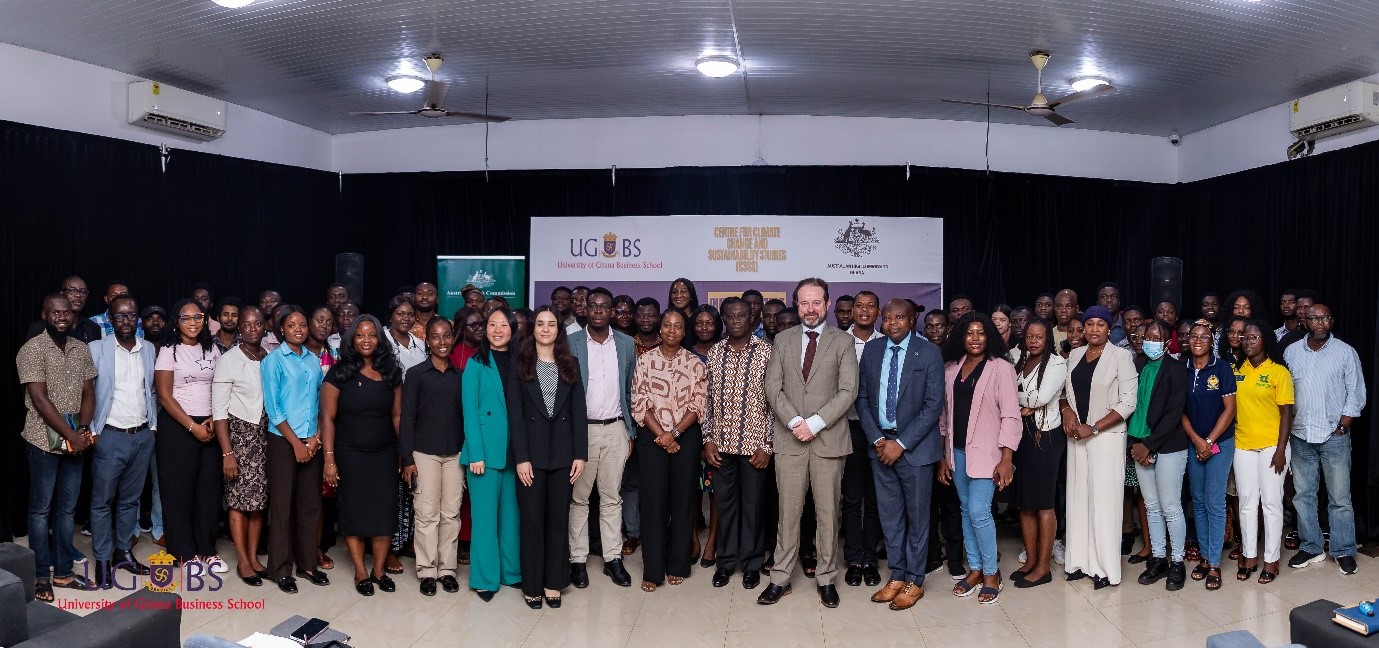
UGBS in Collaboration with C3SS and Australian High Commission Host Public Lecture on Climate Change Ahead of COP31
The University of Ghana Business School (UGBS), in collaboration with the Centre for Climate Change and Sustainability Studies (C3SS) and the Australian High Commission organised a public lecture on 8th June 2026 at the Center for Climate Change and Sustainability Studies at University of Ghana. It was themed: The Voices of Africa and the Pacific at COP31. The lecture featured H.E. Dilara Cesar- Deputy Head of Mission of Türkiye to Ghana, Mr. Liam Cosgrave- Australia’s Counsellor for Climate Change in Africa, Prof. Albert Ahenkan- Professor of Sustainable Development and Head of the Department of Public Administration at the University of Ghana Business School and Prof. Kwadwo Owusu- Director of the Centre for Climate Change and Sustainability Studies at the University of Ghana.
Prof. Elikplimi K. Agbloyor, Coordinator of the UGBS International Relations Unit, delivered the introductory remarks. He noted that the lecture was organised to create a platform for dialogue on climate change in Africa and sought to foster conversations on climate action, and involve key stakeholders, including the Australian High Commission in Ghana to address climate-related challenges. According to him, climate actions taken in Ghana have implications for the rest of the world because the Earth is a shared environment. He briefly explained the concept of climate change and its effects and encouraged participants to adopt a more proactive and critical approach to protecting the environment and advancing climate action.
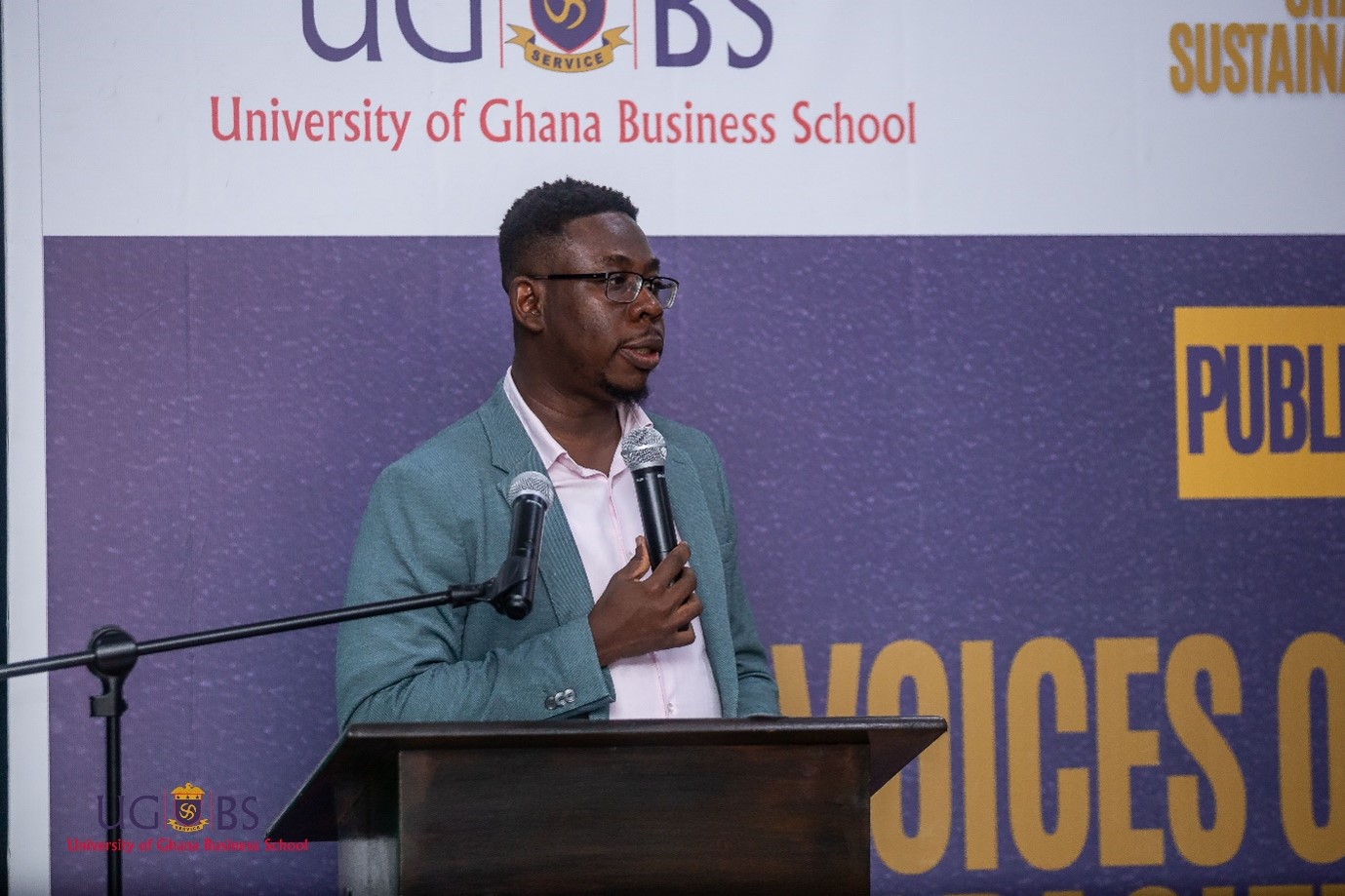
Prof. Elikplimi K. Agbloyor welcoming participant for the public lecture
Delivering her remarks, H.E. Dilara Cesar expressed appreciation to the partners for organising the engagement. She noted that the world is currently facing the combined challenges of climate change, geopolitical tensions, energy security concerns, and growing vulnerabilities, making urgent and coordinated climate action more critical. H.E. Cesar explained that Türkiye’s role as the host of COP31 presents an opportunity to strengthen confidence in the global climate framework, with the country working closely with Australia under a unique partnership arrangement. She stated that COP31, scheduled to take place from 9th to 20th November 2026 in Antalya, Türkiye, will focus on implementation, dialogue, consensus-building, and translating climate commitments into practical outcomes. She added that the presidency’s priorities include clean energy transition, zero waste initiatives, climate-resilient cities, green industrialisation, food security, ocean and marine resilience, and support for vulnerable regions, including Africa. She reiterated support for African-led solutions and highlighted initiatives such as the Climate Action Implementation Accelerator, which aims to connect governments, the private sector, developing countries, and climate projects to accelerate climate action. She further stressed the importance of youth participation, integrated action under the Rio Conventions, and addressing waste as a major contributor to greenhouse gas emissions.
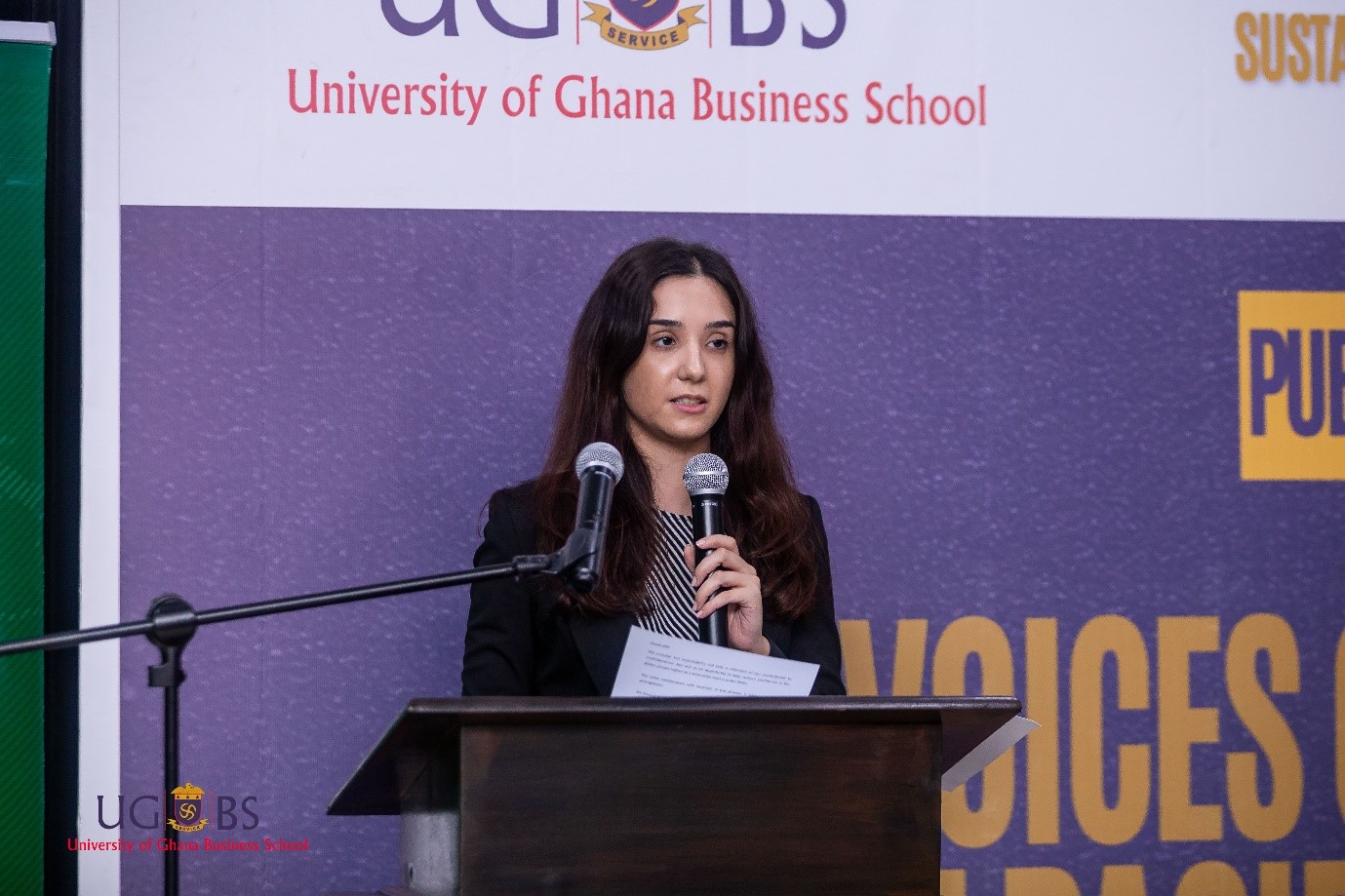
H.E. Dilara Cesar- Deputy Head of Mission of Türkiye to Ghana presenting her speech at C3SS
Speaking on Australia’s role as President of Negotiations for COP3, Mr. Liam Cosgrave explained that the annual Conference of Parties (COP) under the United Nations Framework Convention on Climate Change serves as a global platform where world leaders, negotiators, and stakeholders assess progress on climate commitments and agree on collective action to address the climate crisis. Mr. Liam Cosgrave mentioned that Australia is committed to ensuring that COP31 delivers practical and measurable outcomes through inclusive and collaborative climate negotiations. He noted that Australia’s partnership with Türkiye in preparing for COP31 represents an innovative model of cooperation, with Türkiye leading the climate action agenda and Australia overseeing negotiations. According to him, this arrangement allows both countries to leverage their strengths while maintaining a coordinated approach to implementation, messaging, and global engagement. He emphasised that Australia’s approach is centred on strengthening multilateral cooperation, promoting transparency and inclusiveness, and ensuring negotiations remain solutions oriented. He stated that broad consultation and listening to stakeholder perspectives including voices from Africa would help shape practical and actionable outcomes at COP31.
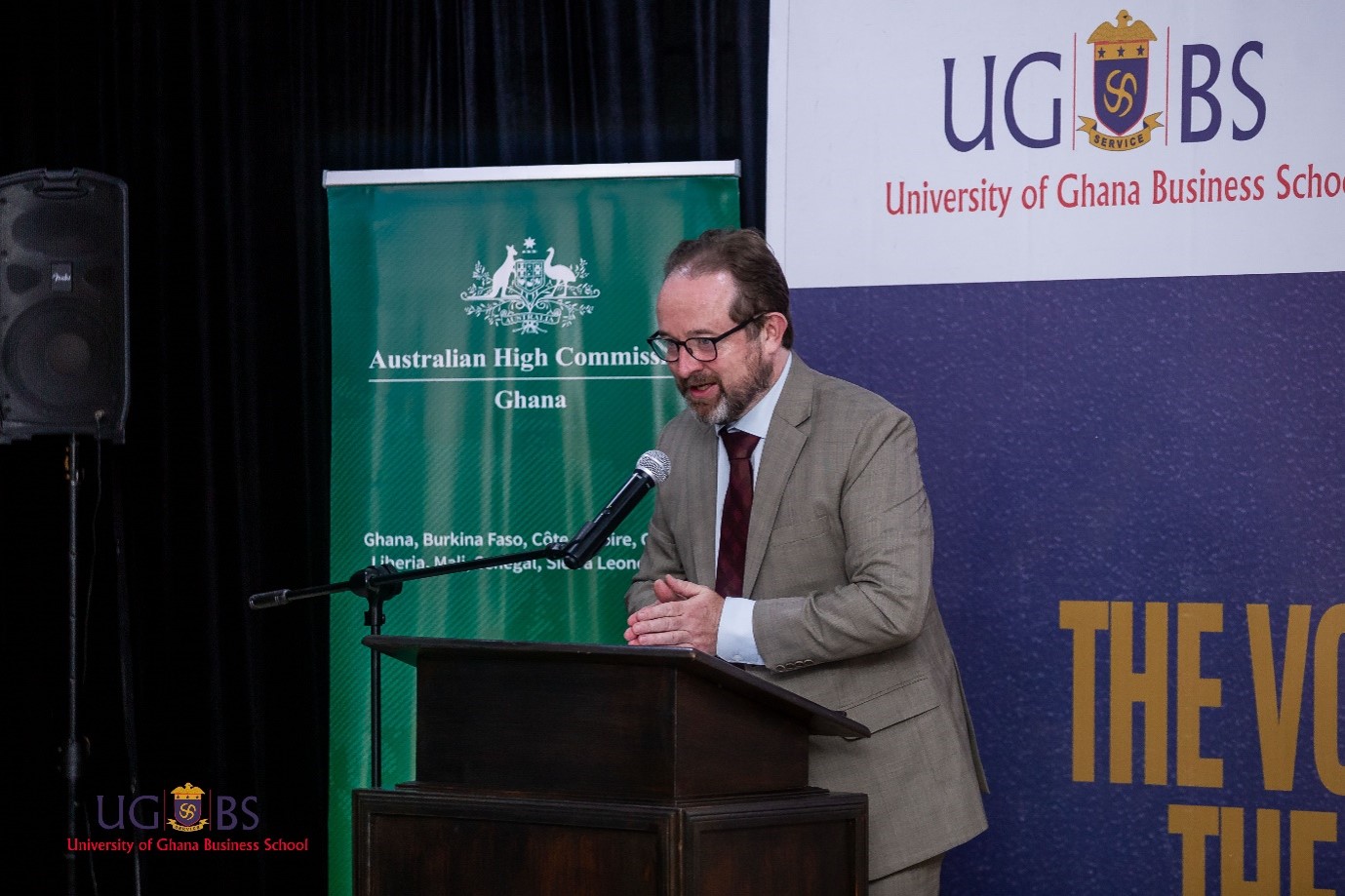
Mr. Liam Cosgrave delivering his remarks during the public lecture
Mr. Cosgrave identified four key areas of focus: accelerating the clean energy transition, mobilising climate finance and investment, growing green industries, and elevating Pacific priorities. He noted that these priorities aim to support implementation of global climate commitments while balancing progress across mitigation, adaptation, and finance. On climate finance, he acknowledged that improving access to funding remains a major concern for many developing countries, particularly in Africa. He explained that Australia is working with partners to address barriers such as complex procedures, limited institutional capacity, and high transaction costs through reforms that promote simpler access mechanisms, stronger coordination, and increased use of innovative financing tools. Mr. Cosgrave further highlighted Australia’s intention to elevate the role of oceans in climate action, recognising their importance for mitigation, adaptation, biodiversity, and livelihoods. He said Australia seeks to promote Pacific-led solutions and strengthen representation of vulnerable communities in climate negotiations. Touching on youth engagement, he noted that youth participation would remain an important component of COP31 preparations and referenced initiatives aimed at ensuring young people contribute meaningfully to global climate decision-making. He encouraged continued engagement and dialogue, stressing that input from stakeholders across regions, including Africa, would help shape negotiations and strengthen outcomes at COP31.
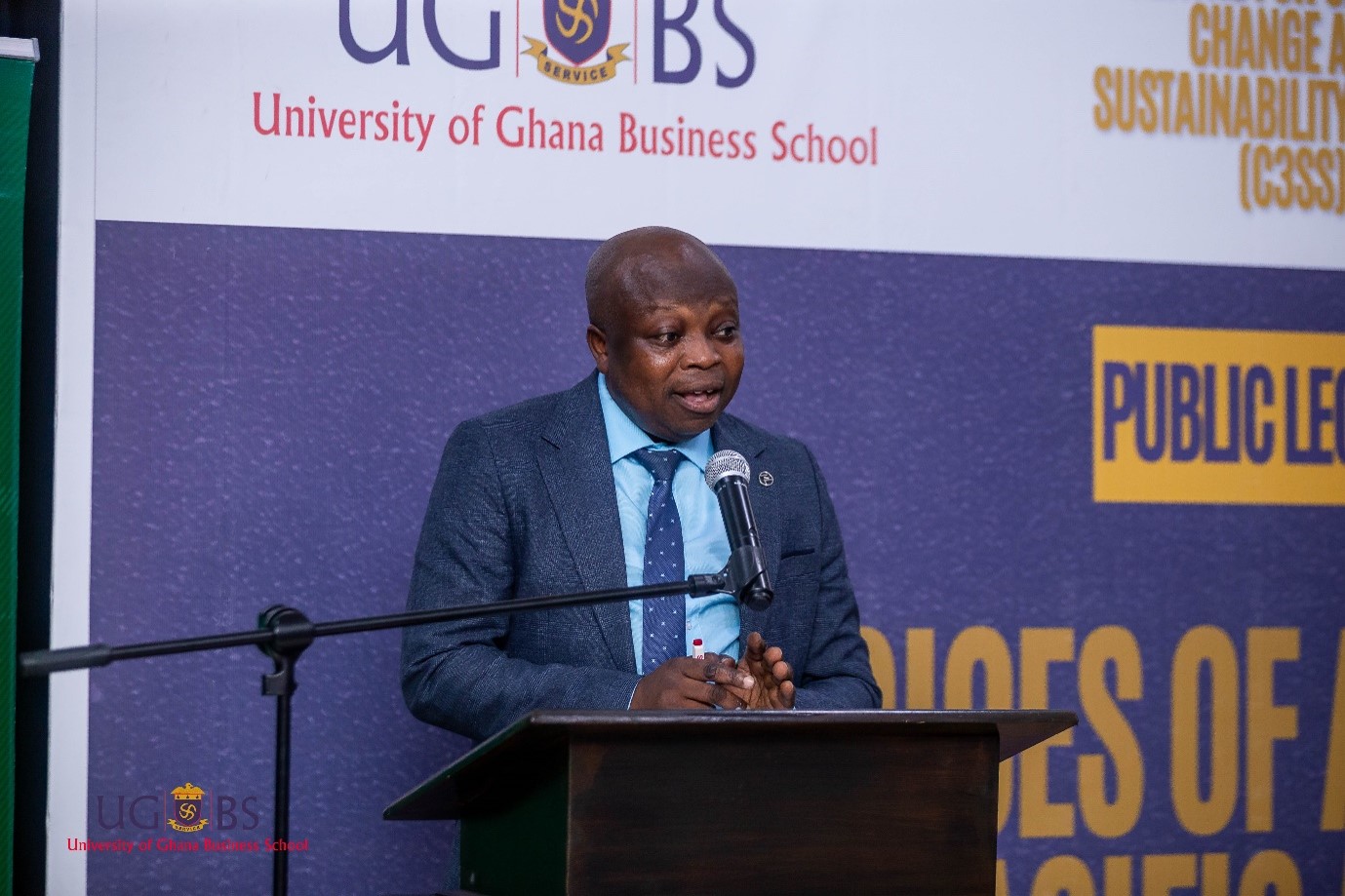
Prof. Albert Ahenkan delivering his remarks at C3SS
Prof. Albert Ahenkan explained that creating space for African regions to share their experiences and perspectives is essential because Africa has a voice and must be actively involved in shaping global climate priorities and decisions. According to him, the conversation leading to COP31 presents an important opportunity to ensure that vulnerable regions are not only represented but are also central to agenda-setting. Prof. Ahenkan further outlined the significance of annual Conference of Parties (COP) meetings, explaining that they provide an avenue to review progress on global climate agreements, mobilise climate financing particularly for developing countries and strengthen international cooperation to address climate challenges. He highlighted that although Africa contributes less than 4% of global carbon emissions, the continent continues to experience some of the most severe impacts of climate change. He noted that this imbalance makes it imperative for Africa’s concerns, priorities, and lived experiences to inform global climate policies and action. He therefore called for greater inclusion of African and Pacific voices in climate negotiations, stressing that those most affected by climate change should play a leading role in shaping the solutions and decisions intended to address the crisis.
As the Director of the Centre for Climate Change and Sustainability Studies, Prof. Kwadwo Owusu, spoke about the Centre’s growth and contribution to climate action capacity building in Africa. He explained that the Centre was established after recognising the need to develop a critical mass of experts equipped to address climate change challenges. He mentioned that the initiative began around 2012 as a master’s programme and, following its success, was expanded by the University into a full-fledged Centre. He welcomed the focus on practical climate solutions and implementation, describing it as a timely shift from discussions centred mainly on proposals and commitments. He also noted that Africa’s experience during and after the COVID-19 pandemic demonstrated the importance of recognising regional strengths and resilience. He stressed that although Africa remains highly vulnerable to climate change impacts, the continent also possesses valuable knowledge, experiences, and solutions that should inform global climate action.
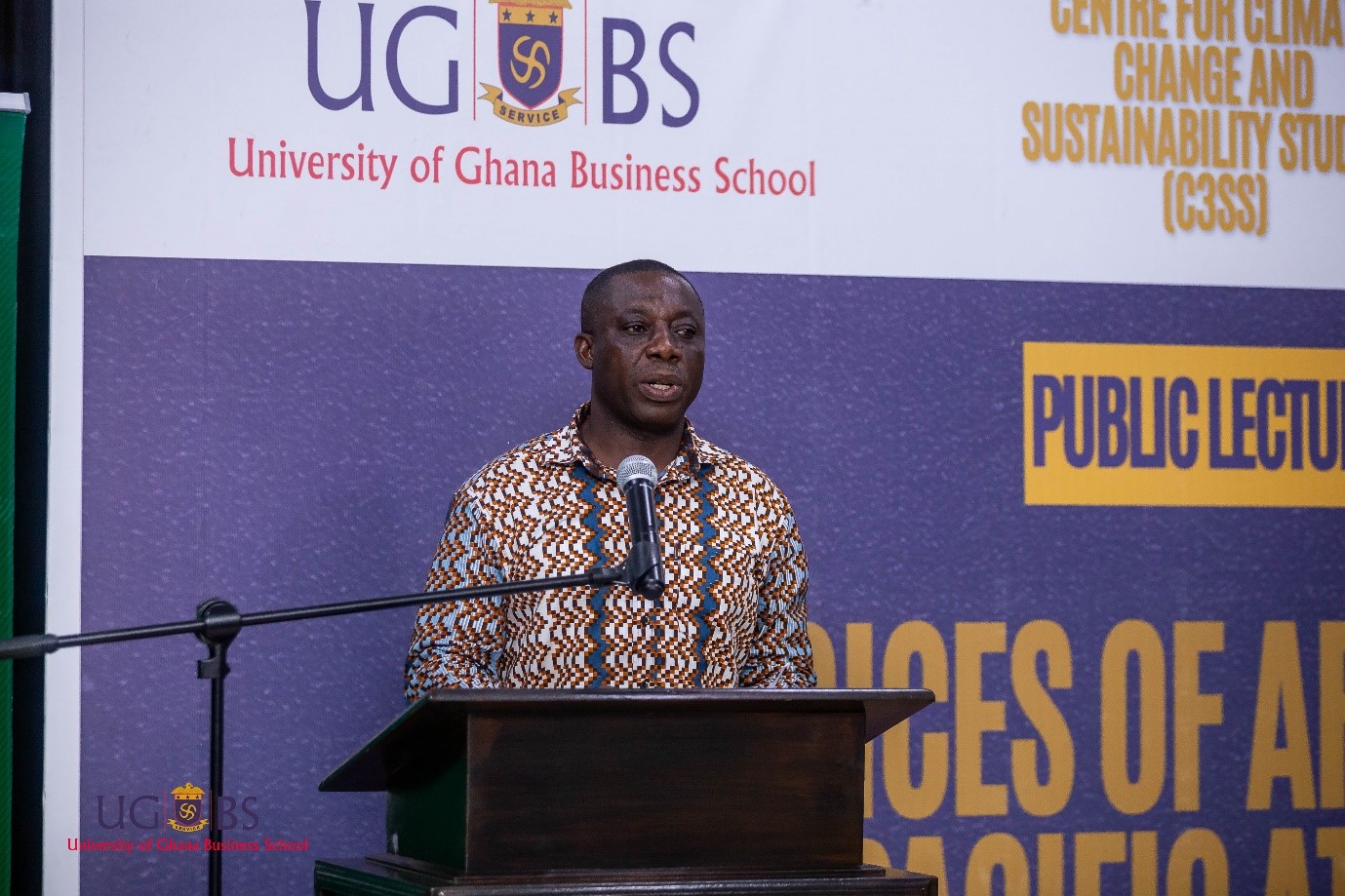
Prof. Kwadwo Owusu, Director of C3SS delivering his remarks
Prof. Owusu therefore called for stronger representation of African countries and Pacific Island states in climate discussions, emphasising the need to create platforms for these regions to tell their own stories and shape solutions. He stated that the Centre remains committed to building the human resource capacity needed to position African voices at the forefront of climate discourse through cutting-edge research, consultancy, training, and public engagement. He added that the Centre has trained numerous master’s and PhD graduates who continue to contribute to climate-related work across institutions and expressed readiness to support activities leading to COP31. He further expressed optimism that the engagement with representatives from Australia and Türkiye would mark the beginning of sustained collaboration and deeper partnerships on climate action. The session continued with an interactive question and answer session.