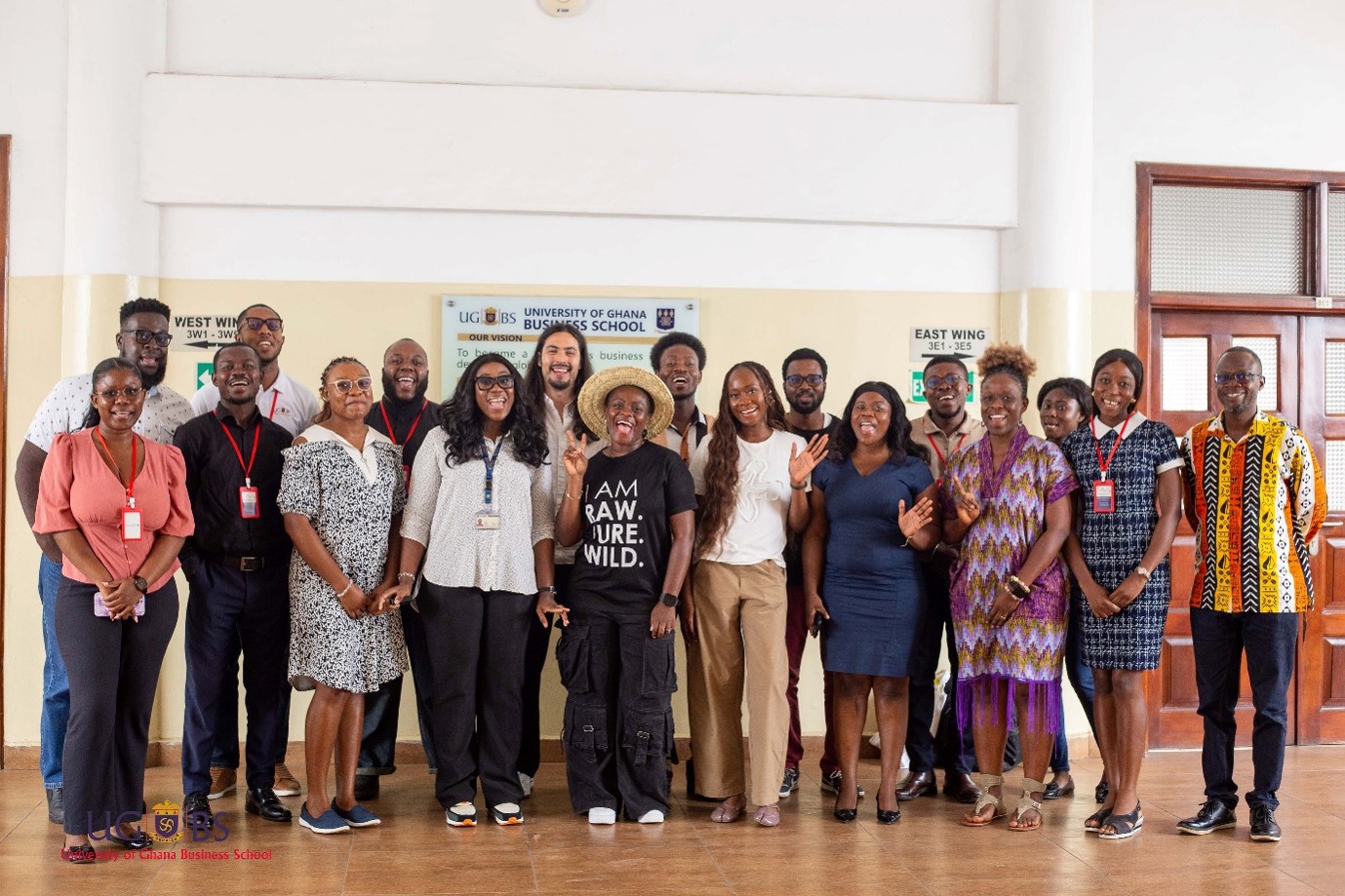
UGBS Hosts October 2026 Global Network Week on Brand Development in African Markets
The International Relations Unit of the University of Ghana Business School (UGBS) has hosted the October 2026 edition of the Global Network Week organised by the Global Network for Advanced Management (GNAM). The programme brought together participants for a five-day engagement on brand development, intellectual property protection, sustainable business practices and the dynamics of African markets. Held from 19th to 23rd October 2026 at the UGBS Graduate Building, the programme was organised under the theme, “From Roots to Reach: Engineering Brand DNA and Architecture in African Markets.” This cohort was facilitated by Prof. Sheena Lovia Boateng, Associate Professor of Marketing and Entrepreneurship at UGBS. The programme combined academic sessions with practical industry engagements, campus and factory visits, group presentations and cultural excursions to provide participants with insights into branding, brand management and the strategies businesses can adopt to strengthen their market presence.
The welcome address was delivered by Prof. Edward Asiedu, Coordinator of the International Relations Unit, who expressed the school’s pleasure at hosting the participants. He encouraged them to take advantage of the opportunities available throughout the week to produce quality work in their respective fields and establish networks that could support their professional development. He also spoke briefly about Accra and Ghana, highlighting the conducive environment for learning and engagement. Prof. Asiedu further encouraged participants to contact the International Relations Unit for assistance throughout the programme, noting that the Unit was responsible for coordinating the activities.
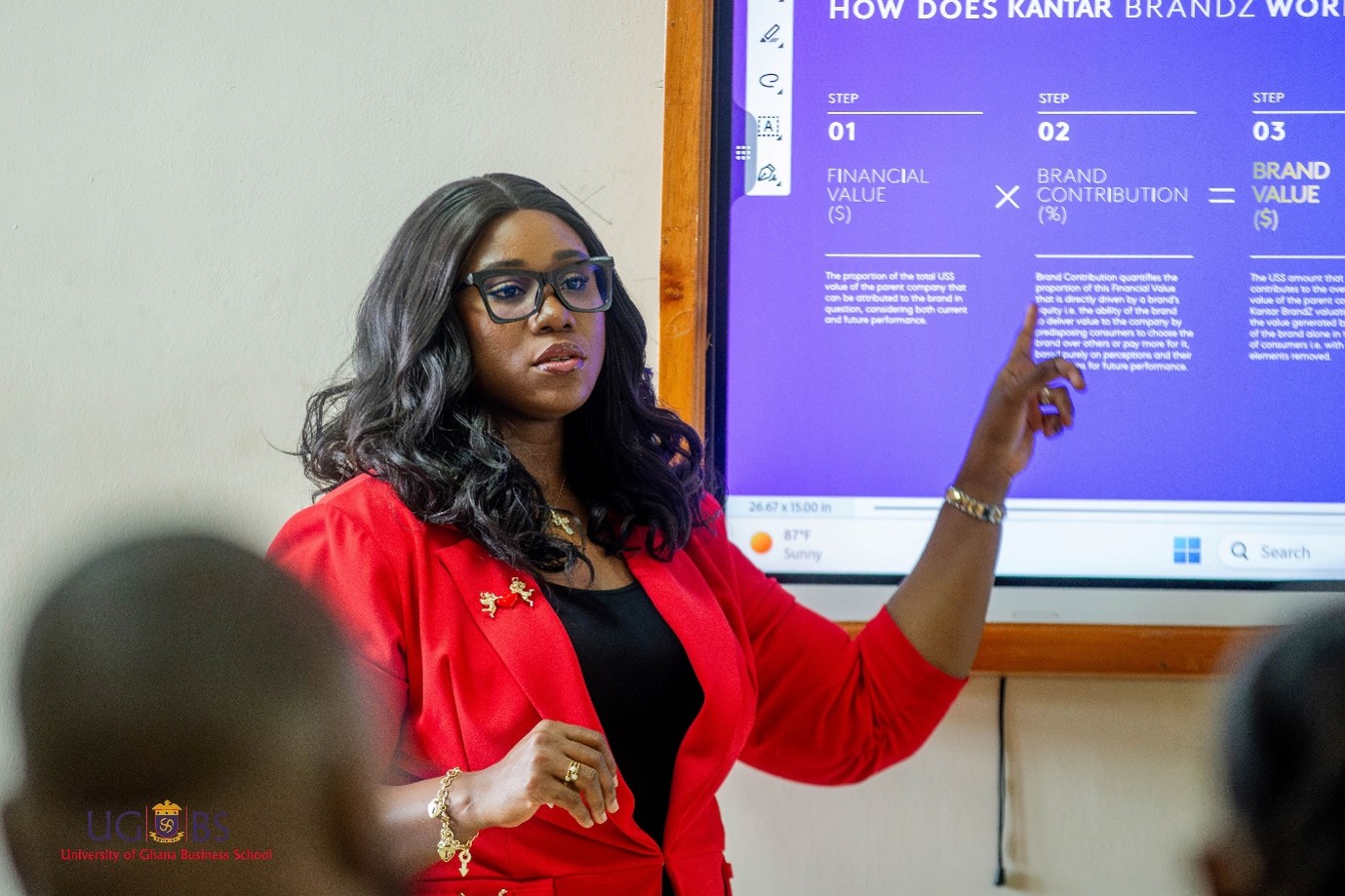
Prof. Sheena Lovia Boateng, the facilitator for the October 2026 GNAM programme
The first day’s sessions focused on the foundations of branding and the role of brands in distinguishing products and services in the marketplace. Prof. Boateng explained that branding had existed for centuries as a means of differentiating one producer's market offerings from those of another. She introduced participants to two principal approaches to defining brands: the academic approach and the practitioner approach. The discussions examined products, branding and symbolic value, as well as the reasons brands matter to consumers. Participants also explored the risks consumers perceive when making purchasing decisions, particularly social and psychological risks, and how brands can help reduce such concerns. Using Keller's Customer-Based Brand Equity model, Prof. Boateng explained how brands develop equity and used popular brands to illustrate the concepts discussed. She also examined brand elements, describing them as distinctive and identifiable features that can be protected by law and are used by companies to identify, distinguish and communicate their brands to consumers. The elements discussed included brand names, logos and symbols, slogans and taglines, URLs, characters, packaging and jingles. The session provided participants with an understanding of how these elements contribute to brand recognition and differentiation in competitive markets.
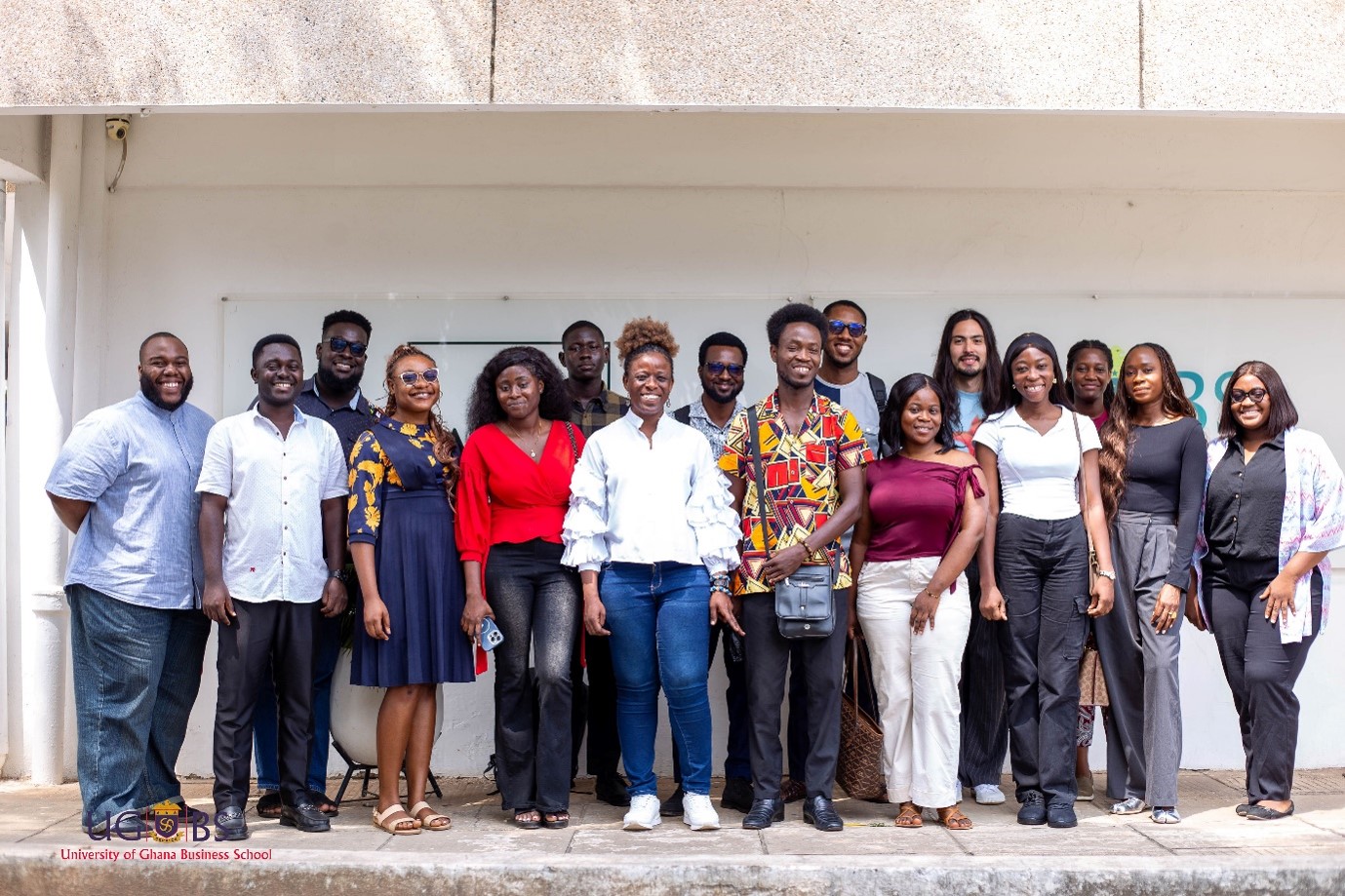
October 2026 GNAM Participants at the UGBS Innovation and Incubation Hub
The second day began with a tour of the University of Ghana campus, during which participants visited various places of interest. They subsequently visited the UGBS Innovation and Incubation Hub, where they were introduced to the Hub’s activities, innovative projects undertaken so far, their impact stories, as well as the partners and sponsors supporting its work. Later in the day, Mrs. Emefa Awuah Darko, Esq., of VE Legal, Accra, engaged participants in a session titled “Navigating Intellectual Property Law in Ghana: Trademarks, Patenting, Copyright and IP Strategy for Businesses: Own It. Protect It. Profit from It.” Her presentation examined the different forms of intellectual property protection available to businesses and their relevance to building, protecting and commercialising brands.
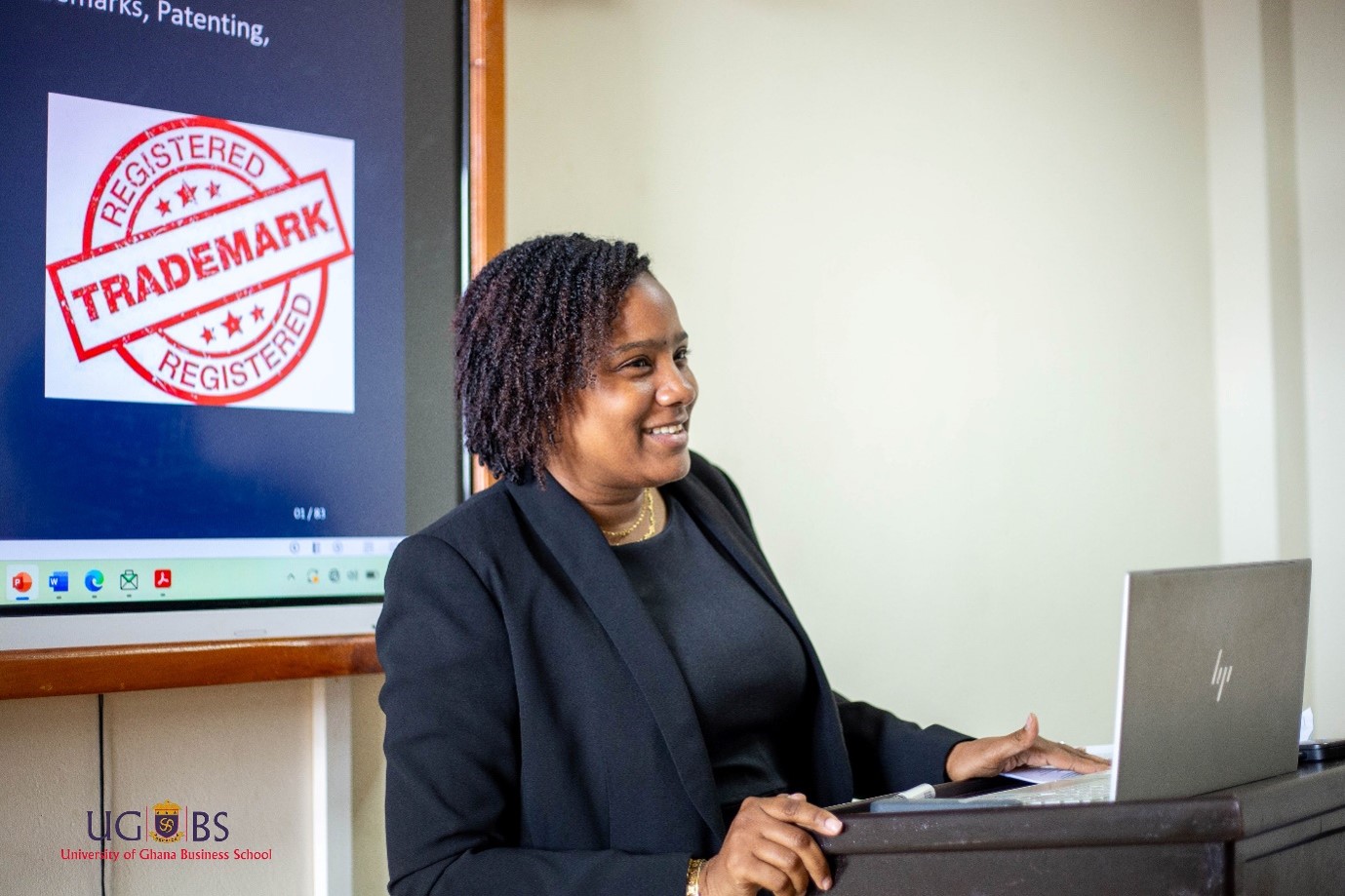
Mrs. Emefa Awuah Darko, Esq., of VE Legal engaging GNAM participants at UGBS
She explained that trademarks serve as identifiers of products and services and may extend beyond words and logos to include names, devices, shapes and sounds. She also noted that trademark registration lasts for 10 years and cautioned that international recognition or global fame does not automatically establish trademark registration in Ghana. Mrs. Awuah Darko further clarified that a company’s registered name is not necessarily the same as its brand trademark, emphasising the need for businesses to understand the distinction when protecting their identities and commercial interests. On patents, she explained that a patent grants a time-limited exclusive right over a qualifying technical invention. She discussed the 20-year patent term, calculated from the filing date, and explained why patent protection is not granted indefinitely. The session also addressed copyright protection for original expressions, including artistic works, and the importance of safeguarding intellectual property as part of a business’ broader commercial strategy. Participants were guided on how to register and protect their brand identities and use intellectual property rights to support the commercialisation of their products and innovations. As part of the day’s activities, participants also explored Accra and visited the Kwame Nkrumah Memorial Park and Mausoleum to learn about the history of Ghana’s first President.
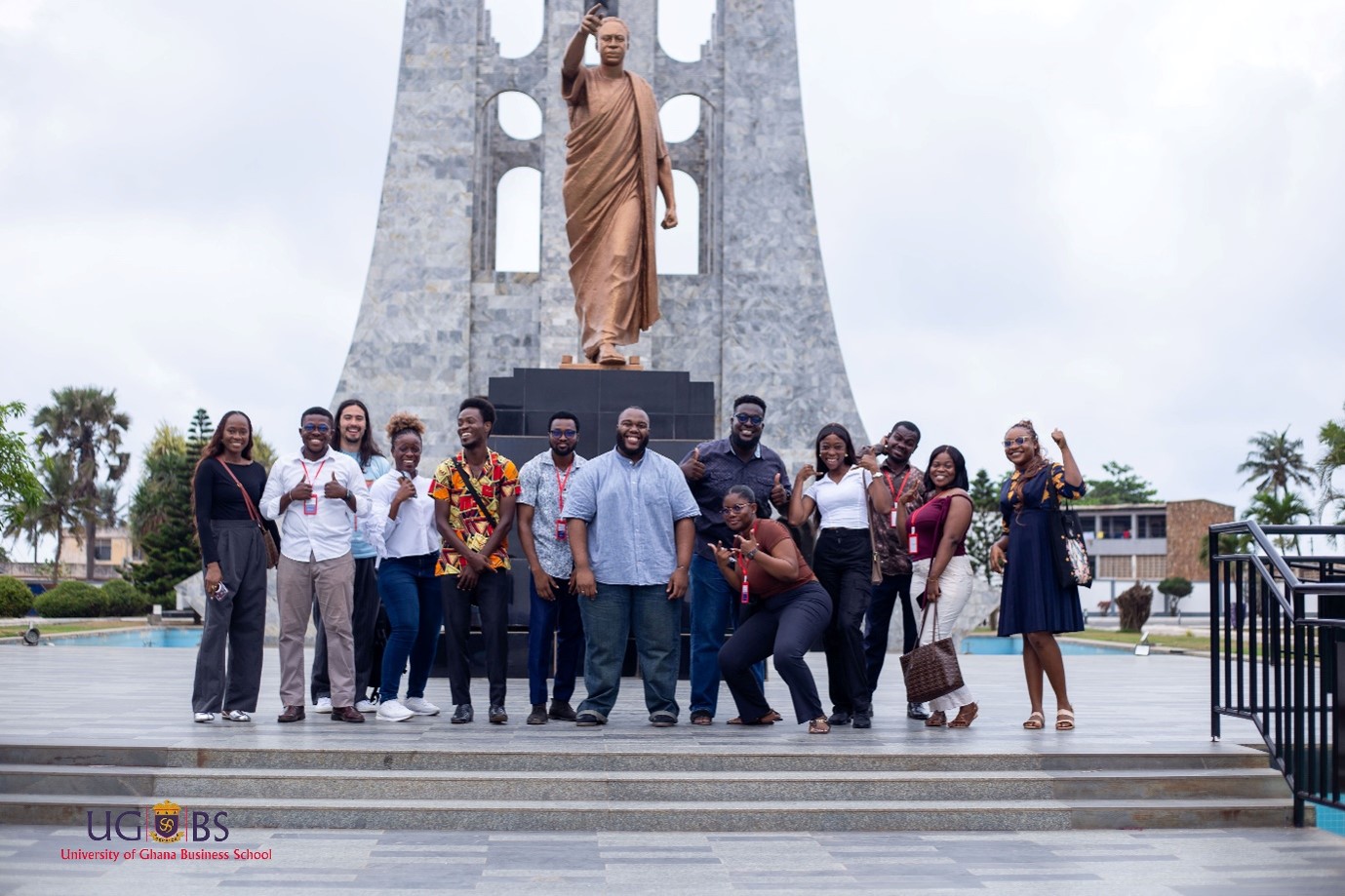
GNAM participants at the Kwame Nkrumah Memorial Park and Mausoleum
The third day featured an engagement with Ms. Violet Awo Amoabeng, Founder and Chief Executive Officer of Skin Gourmet, who shared the history of the brand, its products and its value chain. She explained how the company empowers communities by training and certifying raw material producers and tracing the sources of the materials supplied to the brand. According to her, the approach enables producers to add value to their contributions while supporting a more accountable and sustainable supply chain. Ms. Amoabeng noted that Skin Gourmet’s approach addresses both consumer health and economic equity by creating a sustainable and fair value chain. She also discussed the company’s efforts to provide scalable and impactful solutions in a saturated market. Her presentation examined strategies for enhancing export capacity, attracting investment, promoting environmentally friendly sourcing, influencing regulatory processes and supporting initiatives for sustainable growth.
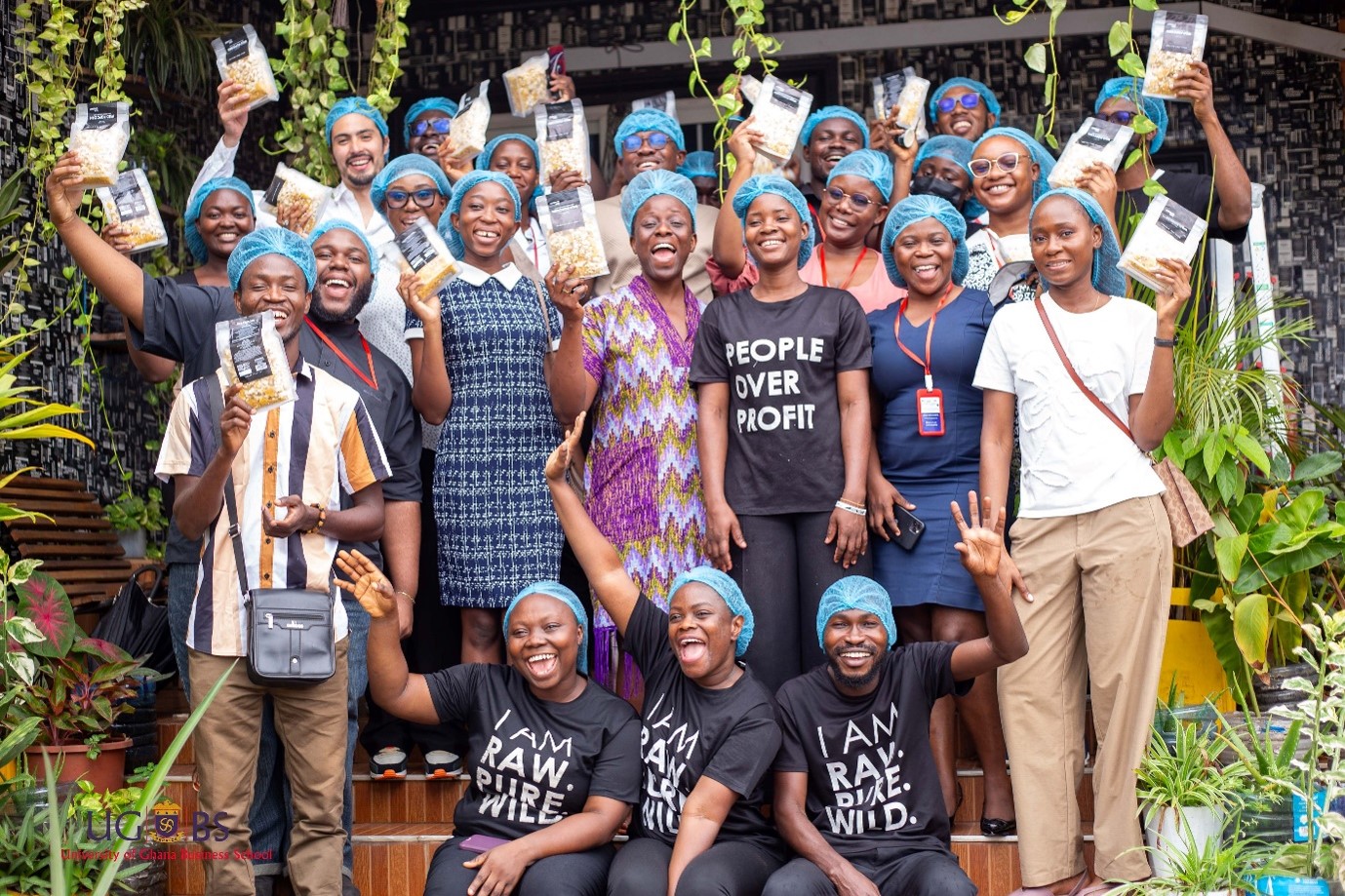
GNAM participants at the Skin Gourmet factory
She explained that sustainability informs the company’s business model, particularly its production processes, risk management, regulatory considerations and marketing strategies, helping to prepare the business for the future. Following the engagement, participants visited the Skin Gourmet factory to observe its processing and packaging practices. The visit provided them with first-hand exposure to the relationship between branding, manufacturing, marketing and distribution. They also gained insights into the science and research underpinning the quality of the brand’s production processes. Participants further took part in a live brand portfolio audit of Skin Gourmet, applying their understanding of brand development and management to an operating business.
On the fourth day, participants took part in an applied learning and synthesis session that brought together the concepts and practical experiences acquired throughout the week. The session featured group presentations, peer feedback and reflective dialogue, allowing participants to present their work, receive feedback and reflect on knowledge shared. Following the presentations, Prof. Boateng noted that participants had gained knowledge of branding and experienced how brands operate through their engagements with businesses during the programme. She also shared products presented by Ghandour Cosmetics, a company that provides certified beauty and personal care products and has operated for more than 25 years. The company surprised participants with packages containing its products.
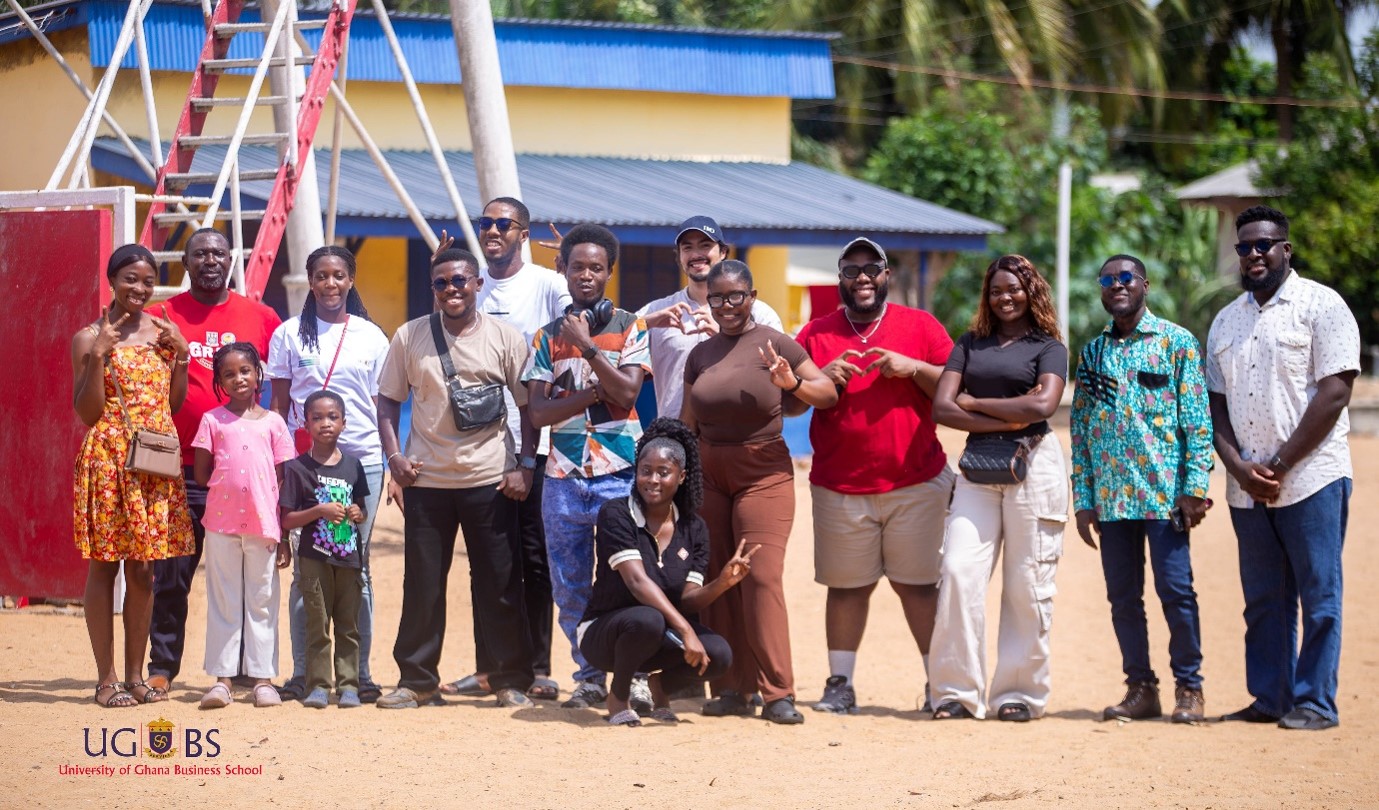
A visit to the Cape St. Paul Lighthouse in Ghana
The final day featured excursions to notable tourist and historical sites in the Volta Region of Ghana, providing participants with an opportunity to learn about Ghana’s cultural heritage and history. One of the sites visited was the Cape St. Paul Lighthouse, where participants were introduced to its historical significance and role in maritime navigation. During the visit, participants were informed that the lighthouse was built in 1800 and was used during the colonial period to monitor ships and communicate signals to them. They were also told that it was the oldest lighthouse in Ghana, the only metallic lighthouse in Ghana and Africa, and one of only two of its kind in the world. The lighthouse’s light was reported to come on every 15 seconds.
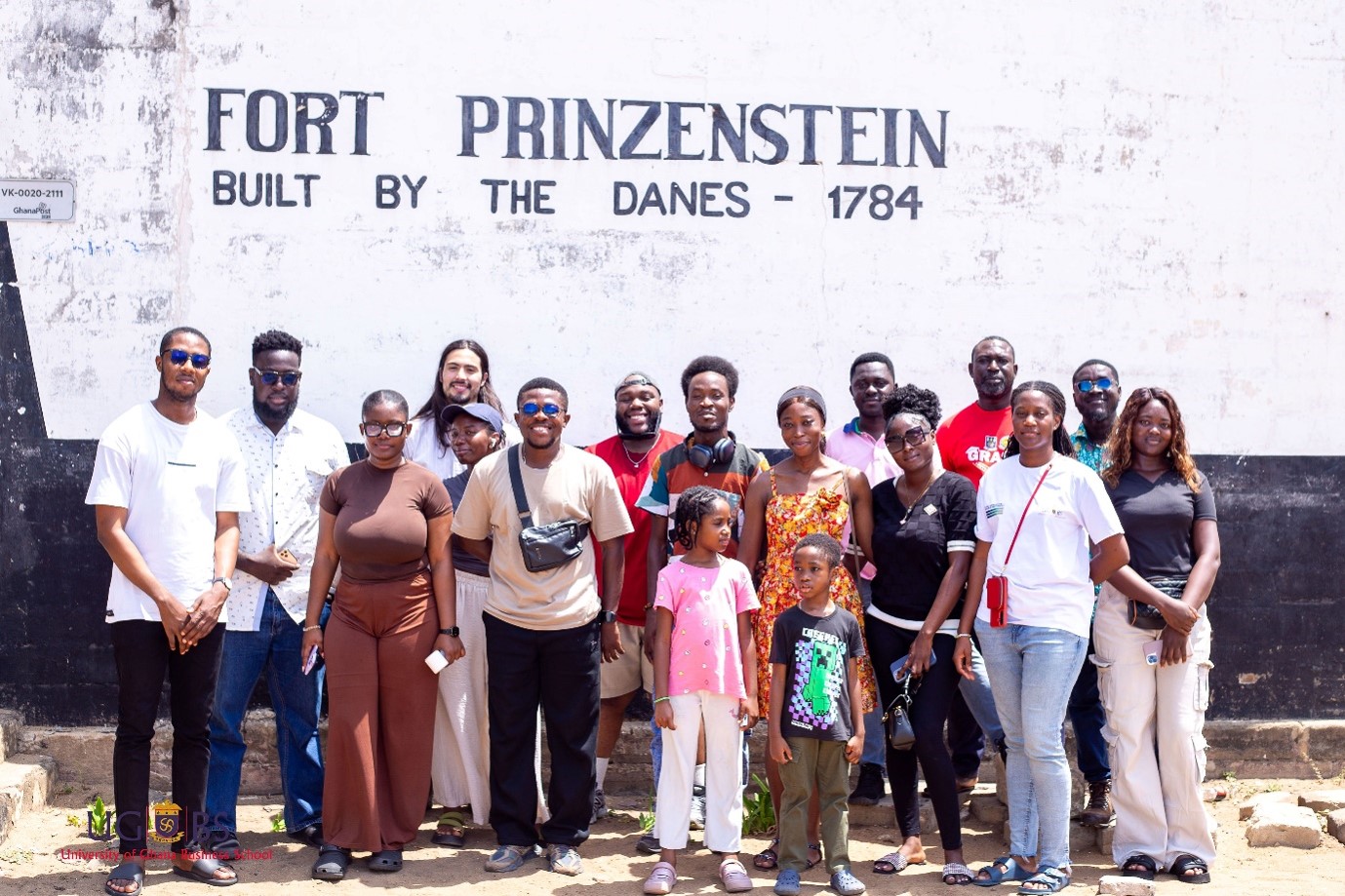
A tour of the famous Fort Prinzenstein in Ghana
The excursion also included a visit to Fort Prinzenstein at Keta, where participants learned about the fort’s history and its connection to the transatlantic slave trade. Built by the Danes in 1784, the fort was used to hold enslaved people before their scheduled deportation. Participants were also informed of its historical significance as the last fort in the eastern part of Ghana. The visits provided a historical and cultural dimension to the week’s activities, complementing the academic and industry-focused sessions. Participants also visited Emancipation Beach in Keta, where they had the opportunity to enjoy the scenic and serene coastal environment. The visit provided a time for relaxation, as participants rested and enjoyed food and drinks before commencing their return journey to Accra. At the end of the programme, participants were awarded certificates in recognition of their participation in the October 2026 Global Network Week.
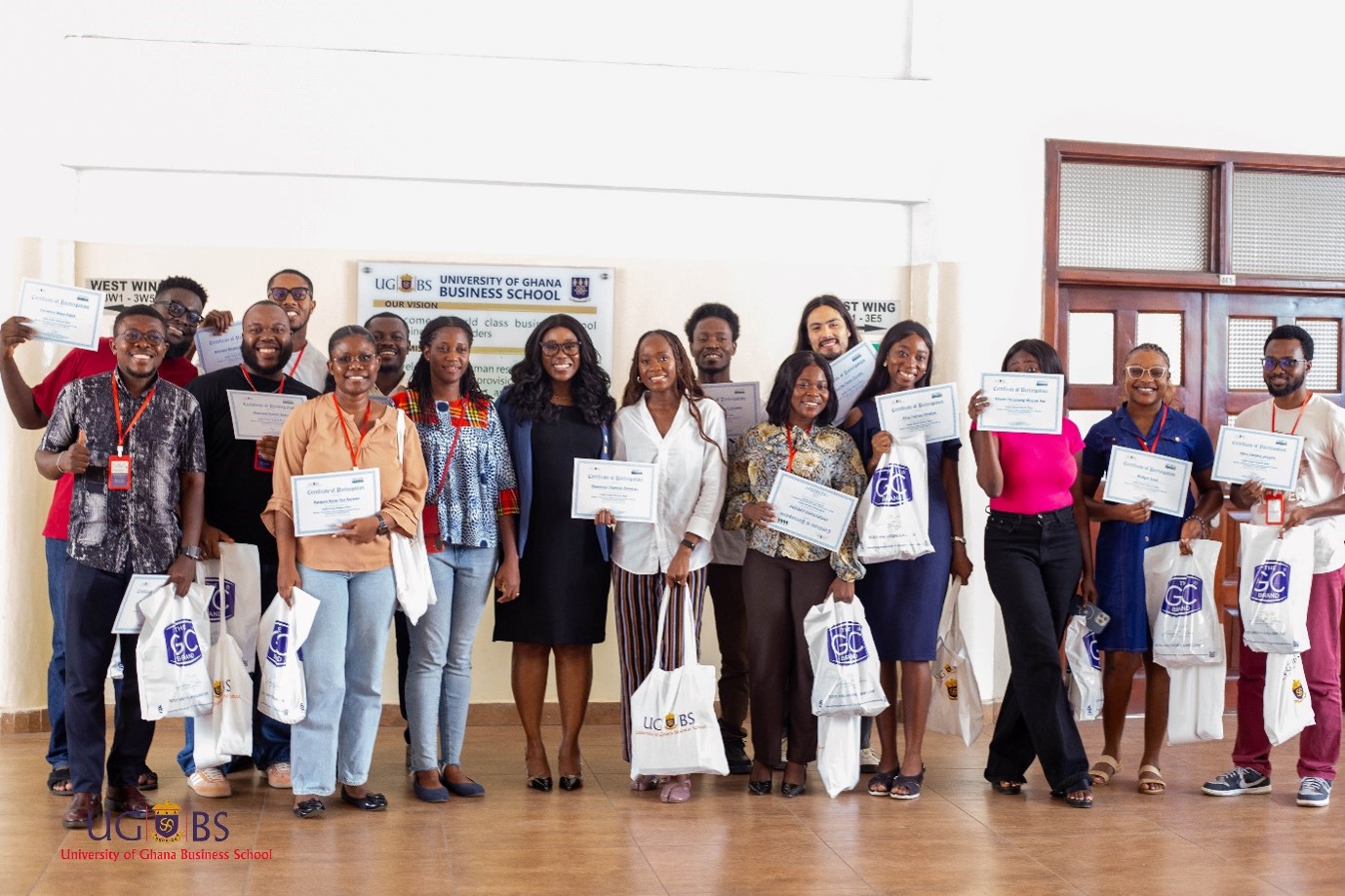
Participants with their certificates and packages from Ghandour Cosmetics