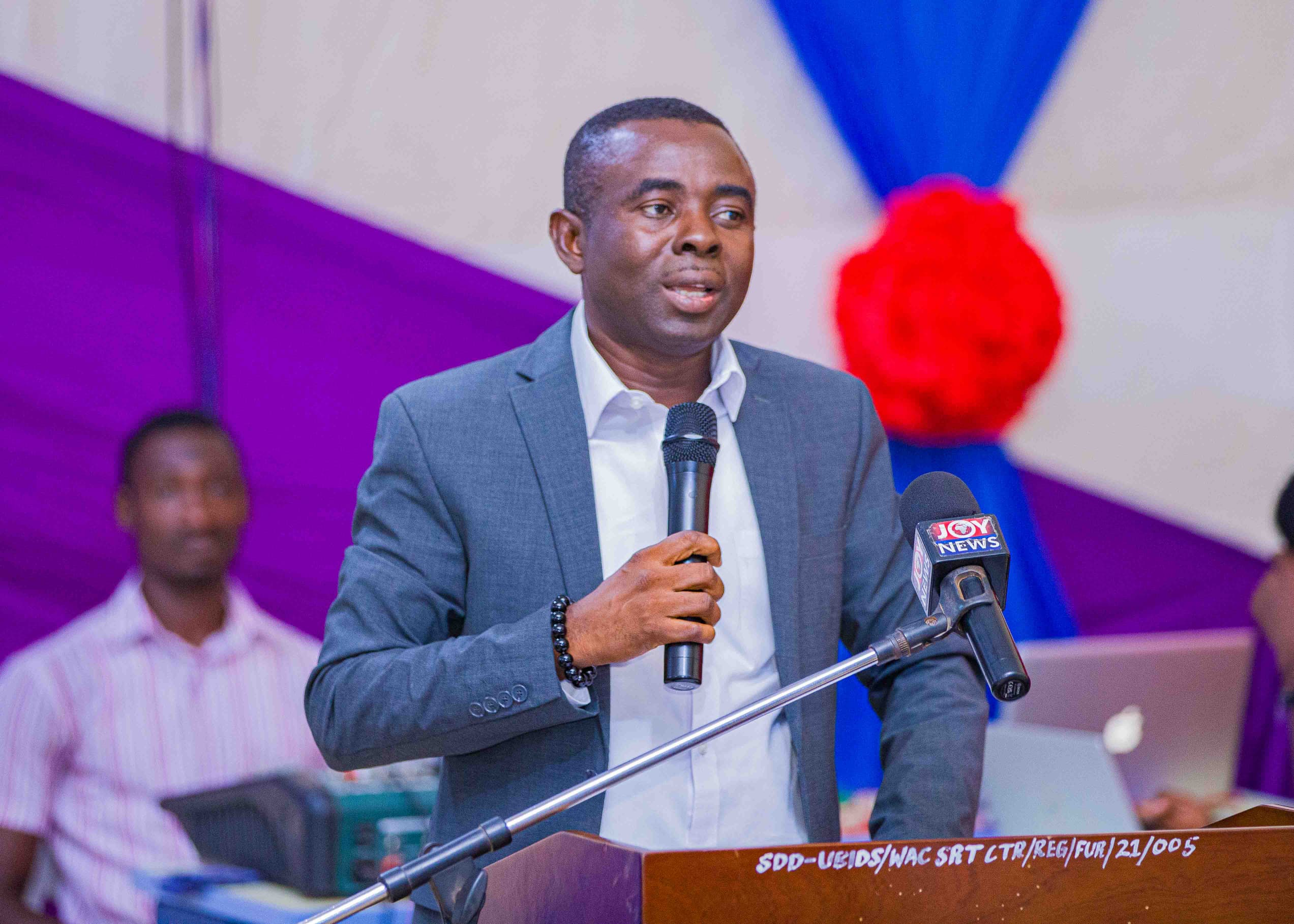
Prof. Joshua Yindenaba Abor Advocates Inclusive and Resilient Economies Through Job Creation, Digital Innovation, Social Protection and Climate-Smart Development
Former Dean of the University of Ghana Business School (UGBS), Prof. Joshua Yindenaba Abor, has called for deliberate and coordinated policy actions to build inclusive and resilient economies capable of generating jobs, driving digital innovation, strengthening social protection systems, and advancing climate-smart development. He was the keynote speaker for the Maiden Economic and Social Dialogue on 6th May 2026 at the University of Business and Integrated Development Studies, Wa. The theme for the dialogue was “Building Inclusive and Resilient Economies: Policy Pathways for Job Creation, Digital Innovation, Social Protection, and Climate-Smart Development.” Prof. Abor discussed the urgent need for economies, particularly in developing countries, to move beyond short-term responses to crises and pursue long-term transformational strategies that ensure sustainable and inclusive growth.
Addressing participants, including heads of institutions and programmes, faculty, staff, students, distinguished guests and members of the media, Prof. Abor expressed that recent global disruptions had exposed the vulnerabilities of economies and institutions worldwide while simultaneously highlighting the importance of resilience and inclusiveness as foundational pillars of sustainable development. “Resilience and inclusiveness are not optional; they are foundational to sustainable development,” he stated, adding that economies must be capable of generating quality jobs, harnessing digital opportunities, protecting vulnerable populations, and sustaining growth amidst uncertainty. He explained that inclusive economies and resilient economies are interconnected, arguing that economies that exclude significant portions of the population cannot remain resilient because inequality itself breeds instability.
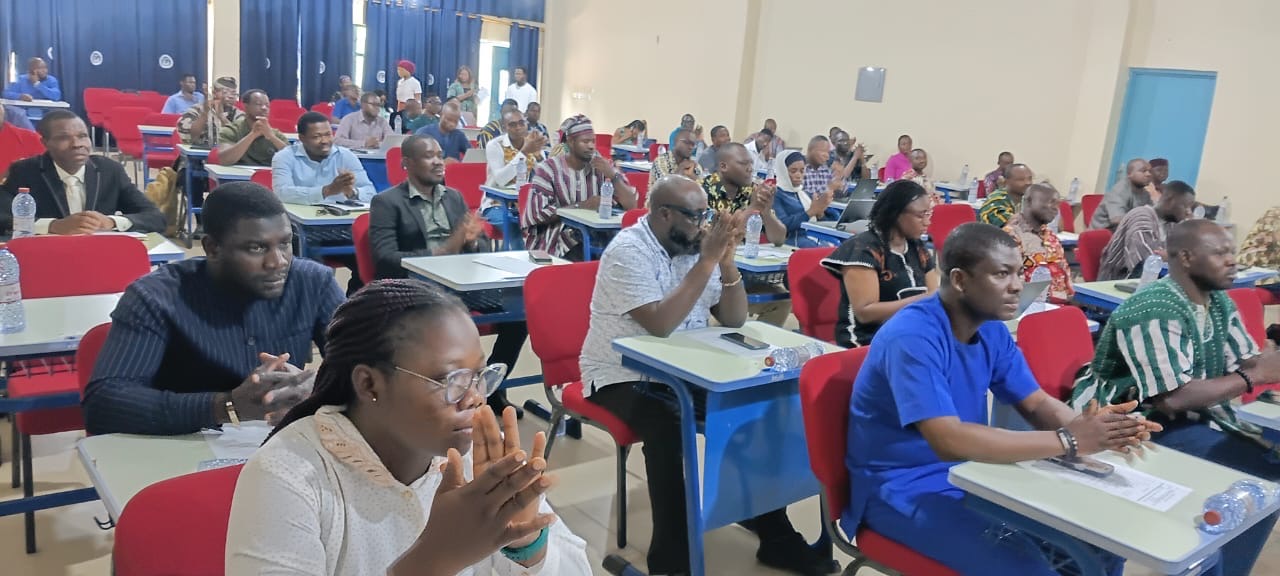
participants at the event
Speaking on the global economic environment, Prof. Abor highlighted several challenges confronting economies across the world, including inflationary pressures, tightening financial conditions, rising public debt levels, geopolitical conflicts, rapid technological advancements, and climate change. He referenced ongoing geopolitical tensions such as the Russia-Ukraine conflict, instability in the Sahel region, and tensions involving US, Israel and Iran, noting that these developments continue to disrupt global supply chains, trade flows, and investment patterns. According to him, while digital technologies and artificial intelligence present opportunities for increased productivity and efficiency, they also risk widening inequalities and displacing jobs where skills development remains inadequate. Prof. Abor identified youth unemployment, underemployment, informality, and rising costs of living as persistent structural challenges affecting economic transformation. He described employment as the backbone of inclusive economies, emphasising that jobs provide not only income but also dignity, empowerment, and social inclusion.
Addressing digital innovation, he highlighted the need to bridge the digital divide between urban and rural communities through investments in broadband infrastructure and rural connectivity. He cited the Ghana Digital Acceleration Project, supported by a $200 million World Bank investment, as a critical initiative aimed at expanding broadband access and improving digital public services across the country.According to him, Ghana’s growing network of technology hubs and accelerators across Accra, Tema, Kumasi, and Takoradi demonstrates the country’s expanding innovation potential. Prof. Abor additionally stressed the need to develop digital skills through education reforms, vocational training, and upskilling programmes to prepare individuals for the changing demands of the digital economy. He explained the importance of supporting Small and Medium-sized Enterprises (SMEs), which he described as the backbone of the economy, through improved access to finance, tax incentives, grants, subsidies, and skills training. According to him, empowering SMEs would stimulate innovation, strengthen local development, and create sustainable employment opportunities. Prof. Abor also advocated workforce inclusivity to ensure that youth, women, and marginalised groups can participate fully in emerging sectors of the economy.
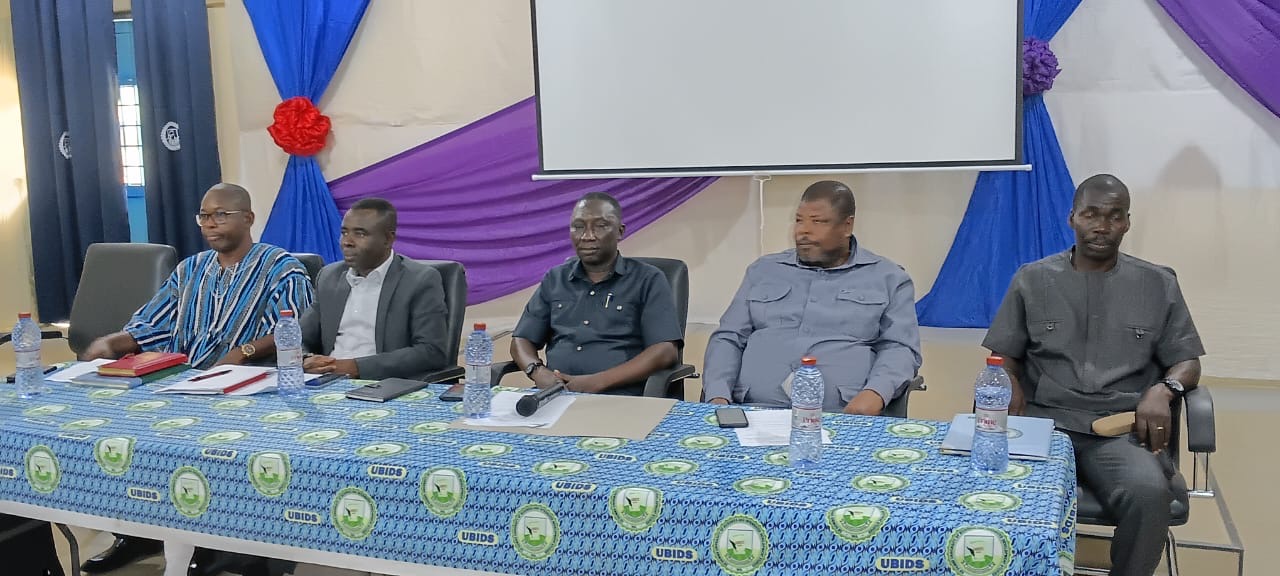
Dignitaries at the event
On social protection, Prof. Abor described the protection of vulnerable populations as both a moral imperative and a cornerstone of societal resilience. He advocated the establishment of robust social safety nets, including cash transfer programmes, unemployment benefits, and social insurance systems to support households during periods of economic hardship and shocks. He added that expanding social protection to workers in the informal sector remains a major policy challenge that governments must address. Prof. Abor also called for targeted support for women, children, informal sector workers, and the elderly through policies that improve access to finance, social welfare, pension security, and child protection initiatives.
On climate-smart development, he advocated the promotion of green industrial policies and national industrialisation initiatives such as Ghana’s 24-hour economy and Export24 programmes. Prof. Abor also highlighted opportunities presented by the African Continental Free Trade Area (AfCFTA) to promote green industrialisation and sustainable export transformation. He stressed the need for investments in renewable energy, particularly solar and wind power, noting that such investments would create jobs, strengthen energy security, and reduce carbon emissions. Additionally, he called for climate-smart agricultural practices, sustainable food systems, efficient water management, and support for smallholder farmers to strengthen resilience and food security. He noted that the challenges confronting economies today require coordinated and forward-looking strategies that prioritise job creation, digital innovation, social protection, and climate-smart development.