UGBS International Relations Unit Hosts EMBA Students from Africa Business School, Morocco, for an Expedition in Ghana
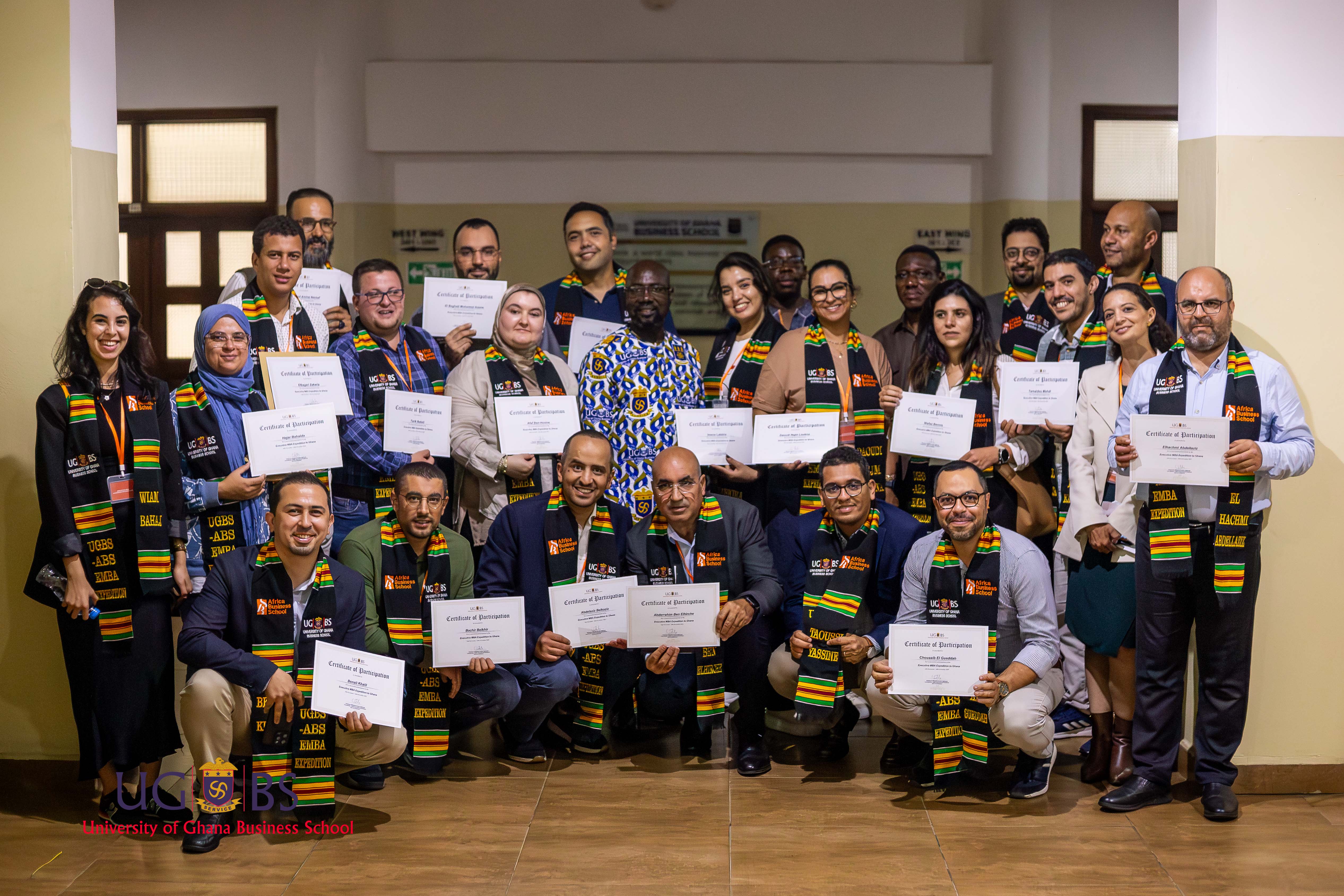
The University of Ghana Business School (UGBS), through its International Relations Office, hosted Executive MBA students from Africa Business School (ABS), Morocco, for a week-long academic and industry immersion expedition from 24th to 29th November 2025. The expedition was coordinated by Prof. Elikplimi K. Agbloyor and the staff of the Office. It was designed to expose participants to Ghana’s trade markets, economic systems, policy environment and business opportunities through interactive engagements with policymakers, government officials, academics, industry leaders and entrepreneurs.
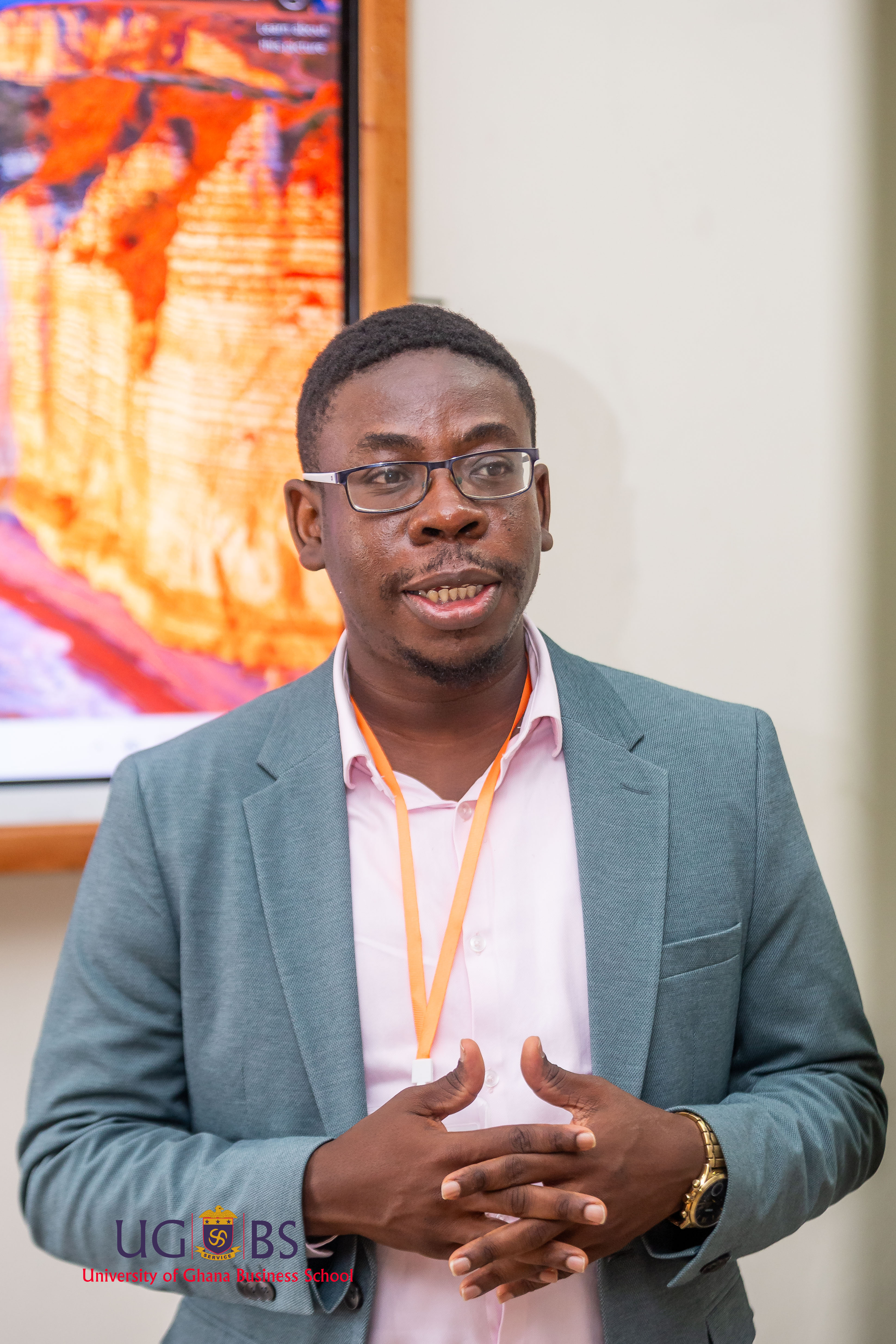
In the first seminar, Prof. Patrick Asuming of the Department of Finance, UGBS, spoke about Ghana’s historical and modern economic landscape. His presentation covered Ghana’s export structure, capital inflows, government systems, the economic performance of successive administrations, and the structure and challenges of the agricultural sector. Prof. Agbloyor also engaged the participants on Ghana’s political stability and its influence on the country’s economic path. Providing a government perspective, Mr. Samuel Arkhurst from the Ministry of Finance presented an overview of Ghana’s economic history, current status, and future outlook. He explained that structural deficits remain a major challenge for the economy and highlighted the impact of post-colonial external economic factors.
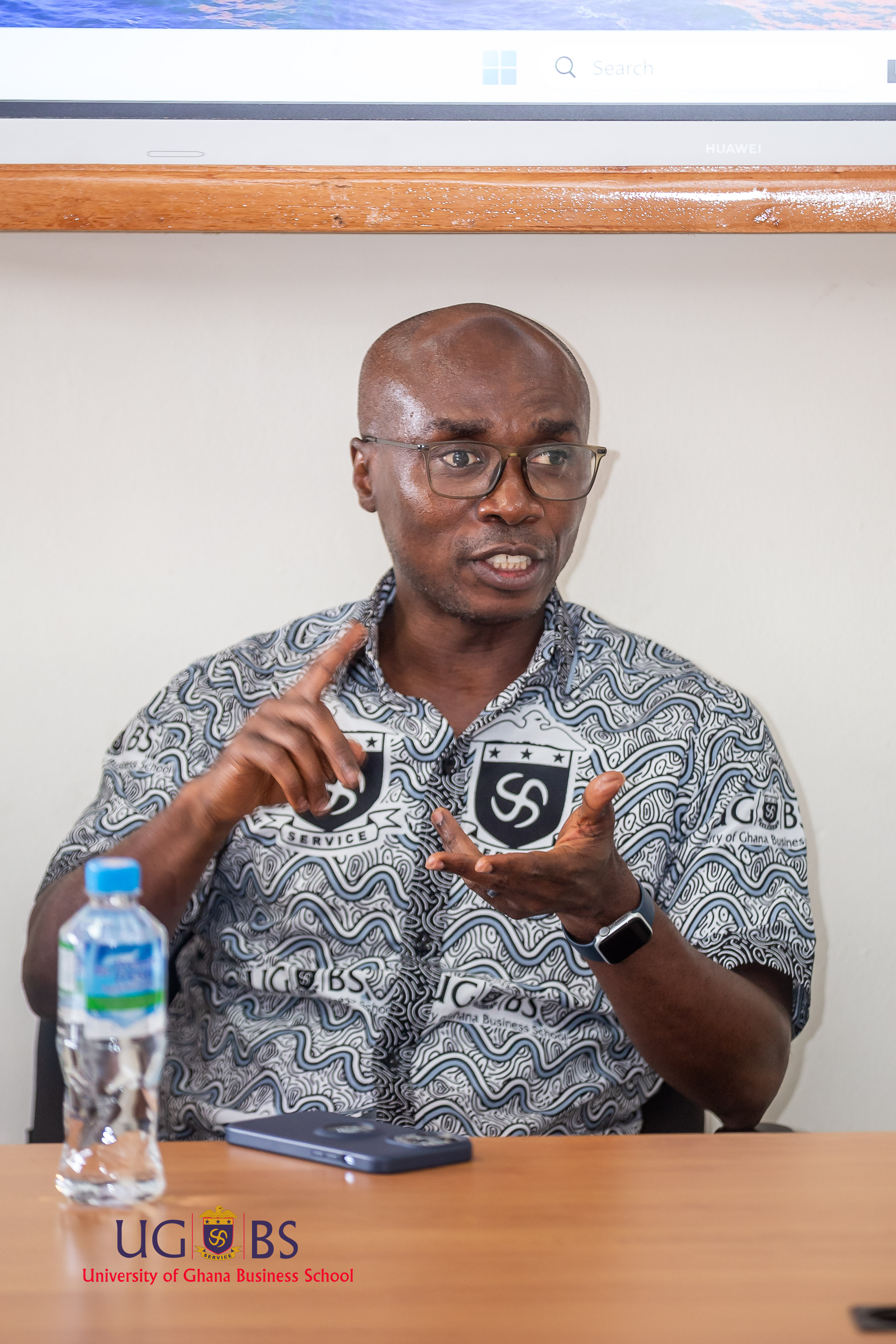
Mr. Seth Twum Akwaboah, Chief Executive Officer of the Association of Ghana Industries (AGI), revealed that approximately 75% of industries in Ghana are small and medium-sized enterprises. He traced Ghana’s industrialisation from state-led initiatives to private sector-driven growth under the Economic Recovery Programme. He cited challenges such as heavy reliance on imports, limited production capacity of local firms, and infrastructure constraints, but highlighted opportunities in agriculture, the aluminium value chain, textiles, and foreign market participation.
A special session on Mobile Money and Agency Banking featured Mr. Paapa Osei from MTN Mobile Money; Mr. Evans Otumfuo, General Secretary of the Mobile Money Agents Association of Ghana; Mr. Samuel Offei, Head of Agency Banking and Mr. Benjamin Quarshie, Agency Banking Operations Manager at ABSA Bank. The speakers attributed the success of mobile money in Ghana to trust and strong partnerships with banks, noting that MTN MoMo now serves about 11.5 million customers. They discussed interoperability, cybersecurity, regulatory frameworks, agency banking operations, and transaction management.
During a formal welcome dinner ceremony held at the Lancaster Hotel, the Dean of UGBS, Prof. Ernest Tweneboah-Koduah, officially received the delegation and encouraged them to take full advantage of the programme. The ceremony was attended by representatives from KPMG, the Moroccan Ambassador to Ghana, H.E. Imane Ouaadi, and UGBS faculty members. The guests were treated to a cultural performance by the University of Ghana Department of Dance.
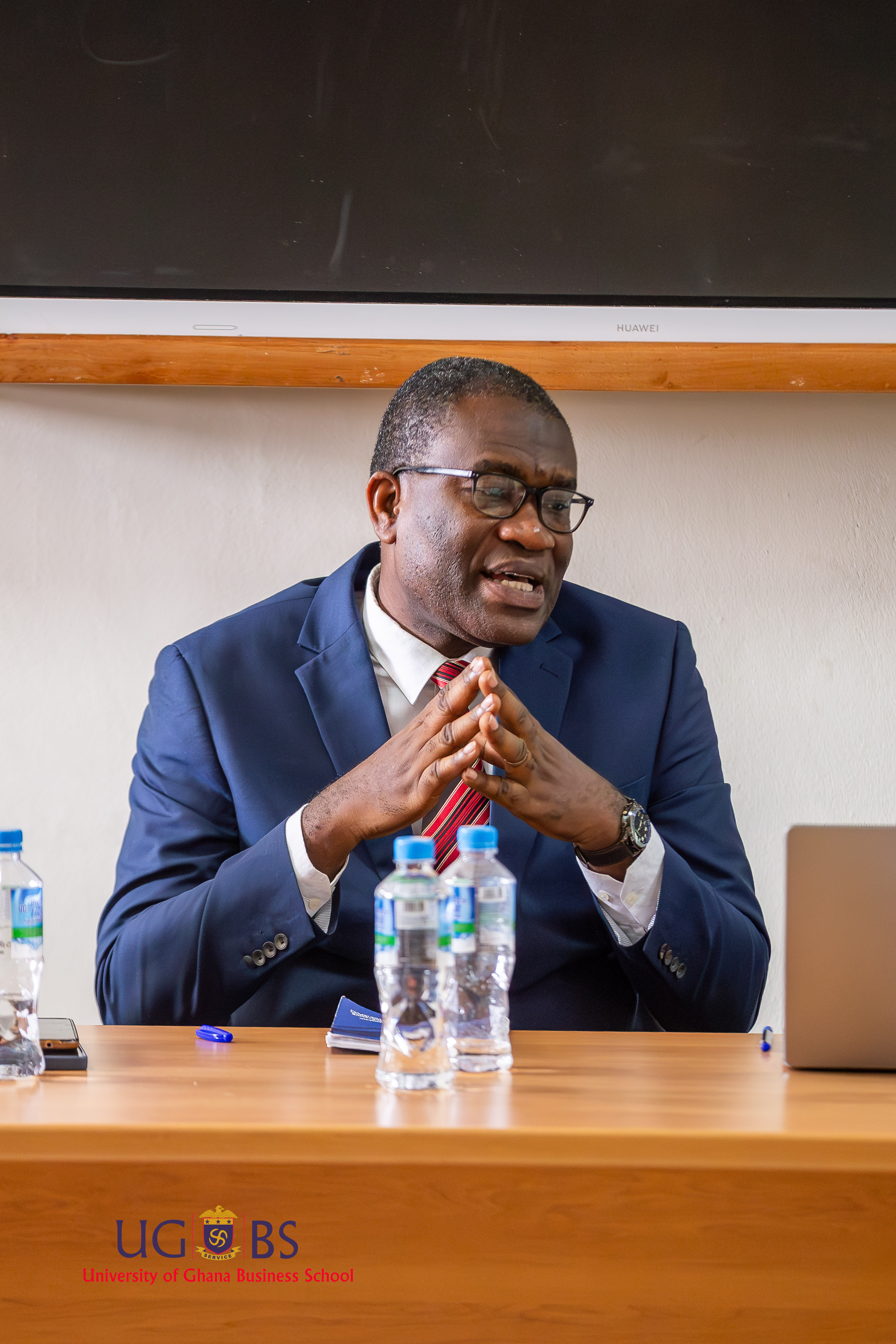
Subsequent sessions concentrated on Ghana’s financial markets and investment climate. Prof. Godfred Amewu from UGBS presented on African Financial Markets, highlighting Ghana’s macroeconomic recovery under the IMF programme, treasury bills, the Ghana Stock Exchange structure, sovereign debt, and corporate bonds. Ms. Esinam Agbenorto of Mirepa discussed financing for businesses in Africa, with a focus on private equity and long-term capital provision. Dr. Benjamin Amoah of UGBS also spoke on development finance institutions and data-driven finance in Ghana’s telecom-led financial system.
Mr. Alexander Owusu Acheampong, Head of Investment at the Venture Capital Trust Fund, explained the Fund’s role as the only government-backed institution mandated to invest in small and medium-sized enterprises through fund managers. Mrs. Caroline Anokye, Partner at KPMG and a UGBS alumna, shared insights on doing business in Africa, including regulatory requirements, tax systems, sector-specific location laws, and risk management. Mr. Frank Berle, Deputy Managing Director of the Ghana Stock Exchange, discussed the capital market ecosystem, including asset classes and products such as equities, bonds, exchange-traded funds, real estate investment trusts, and collective investment schemes.
The participants also visited the UGBS Innovation and Incubation Hub, where they were introduced to Ghana’s startup ecosystem, funding sources such as NEIP, YouStart Ghana, and RISA, as well as mentorship and training opportunities for students and staff. An educational trip to MEST Africa exposed the participants to software entrepreneurship, AI-driven training, startup incubation, and talent development. Leadership in Emerging Economies was addressed by the immediate past Dean of UGBS, Prof. Justice N. Bawole, who examined leadership realities in developing markets, transformational leadership, and its role in national development. He emphasised integrity, values, and influence through action, and encouraged the participants to invest in and do business in Ghana.
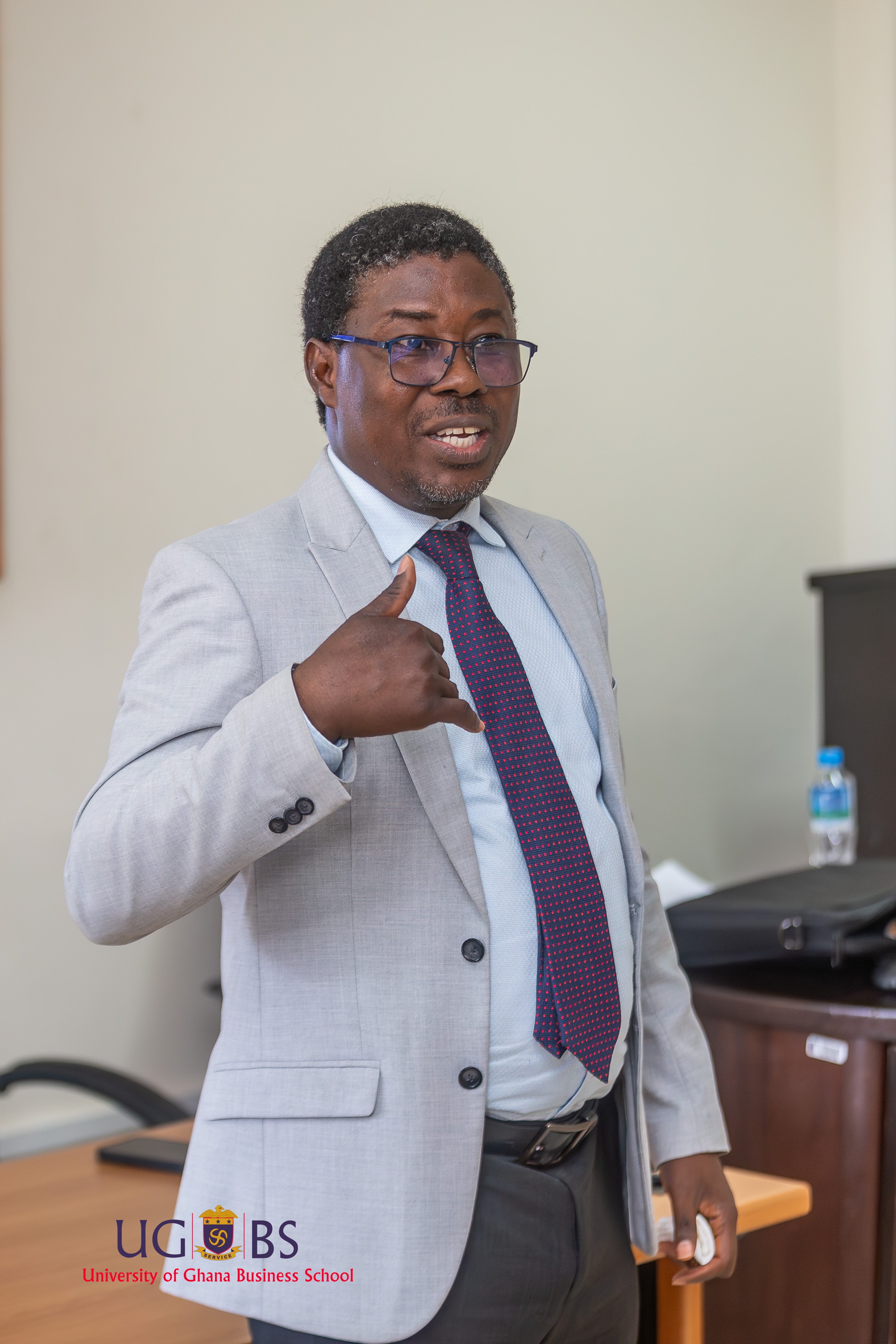
Dr. Priscilla Otuo, UGBS, also delivered a session on Ghana as an emerging hub for startups and technology innovation, outlining the country’s entrepreneurial ecosystem, accelerator programmes, funding landscape and policy environment. A roundtable discussion with local entrepreneurs: Mr. Joseph Owiredu of Fihankra ComTech, Ms. Esther Owusu of Abukay Cuisine, and Mr. Godwin Kofi Tette of Reflect Ghana, provided firsthand insights into venture creation, legal processes and startup challenges. Dr. Edem Welbeck, Dr. Juliet Agbeibor of GIMPA and Mr. Derick Emmanuel Xatse of IES Ghana also discussed social impact, sustainability and business success in emerging markets.
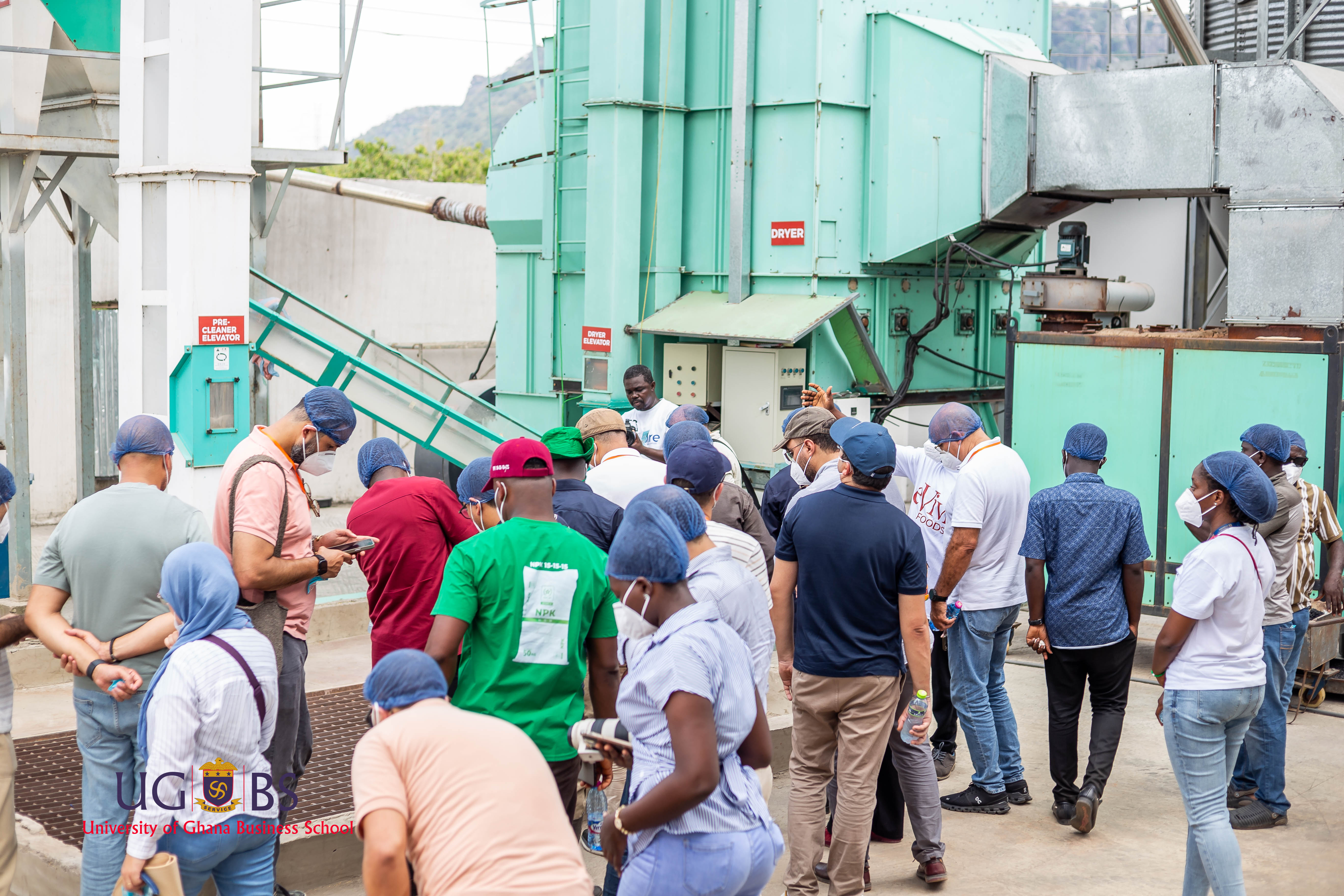
As part of the experiential learning programme, the participants visited rice farms at Torgome in the Volta Region of Ghana, toured Evivi Foods’ rice processing facility and engaged with representatives from New Age Agric Solutions Ltd. and OCP Ghana on agribusiness, fertiliser supply chains and local food production. Further academic engagements included presentations by Prof. Ebo Turkson on the African Continental Free Trade Area (AfCFTA) and Prof. Kwesi Amponsah-Tawiah on Corporate Social Responsibility in Africa. Dr. Edwin Alfred Nii Obodai Provencal, Immediate Past Managing Director of BOST, provided an insider’s account of state-owned enterprise reform and leadership.
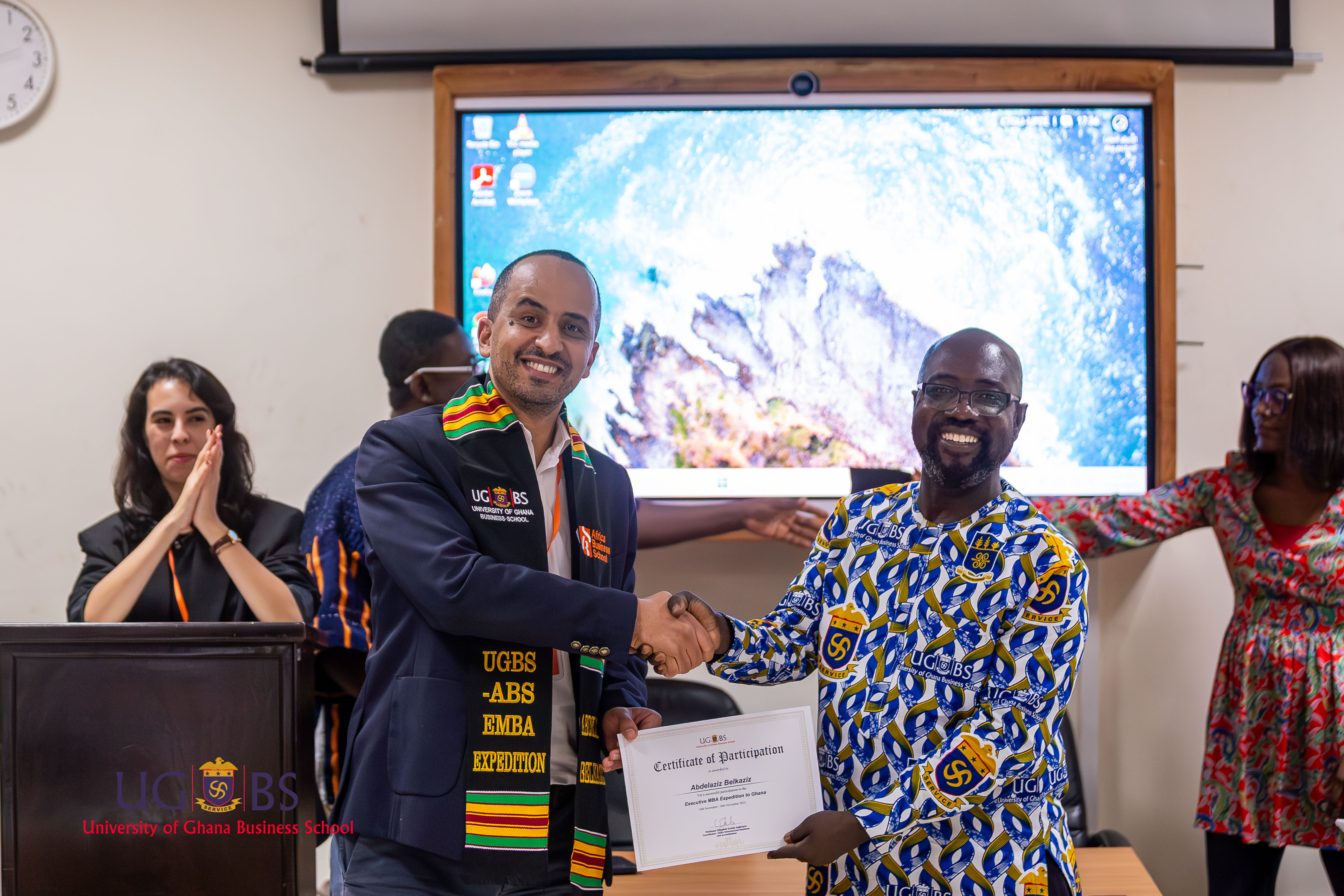
The expedition concluded with recreational activities at Safari Valley Resort and a certificate presentation ceremony. In his closing remarks, Prof. Tweneboah-Koduah described the programme as “an insightful and enriching journey,” highlighting the value of experiential learning and the importance of African collaboration. Ms. Myriam Qudrhiri, Programmes Manager at ABS, also commended UGBS for its hospitality and reaffirmed the strong relationship between Ghana and Morocco.